
NEWS CENTER
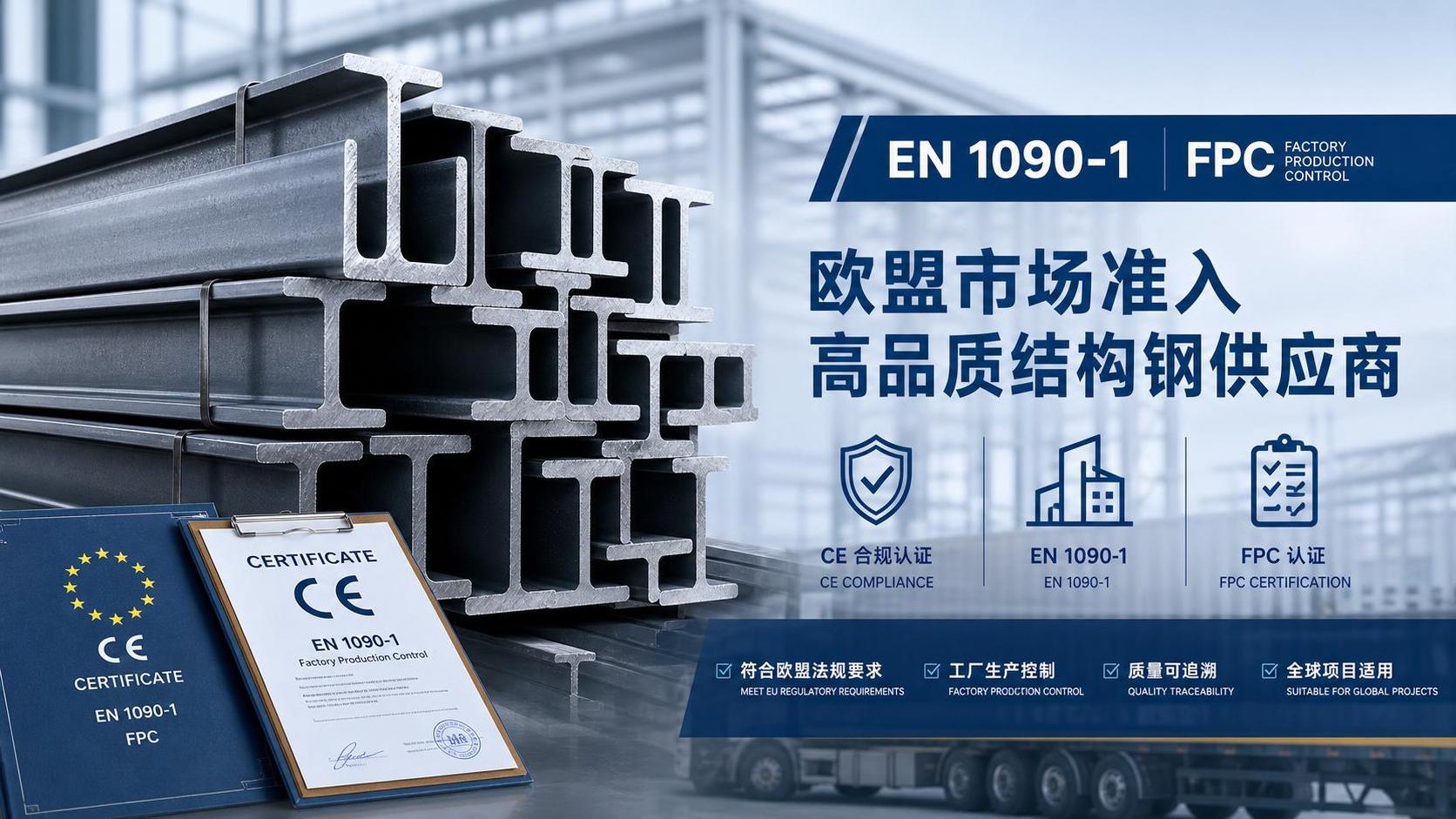
On July 15, 2026, the European Commission released Regulation (EU) 2026/1289, setting a firm compliance timetable for certain structural steel products entering the EU market. From an industry perspective, exporters, processors, traders, certification-related service providers, and EU-facing procurement teams should pay close attention because the rule ties market access for hot-rolled H sections, I-beams, and T sections to EN 1090-1:2023+A1:2026 compliance and factory production control (FPC) certification, with direct implications for delivery timing and compliance cost.
A clear compliance date with no transition waiver
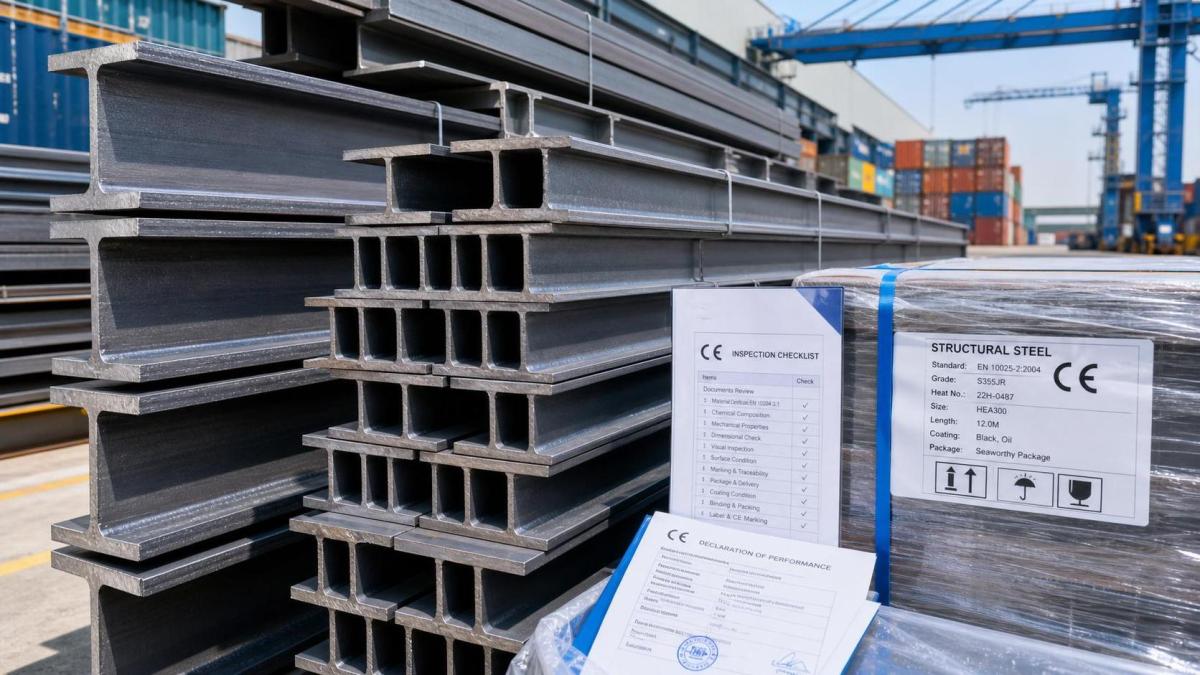
According to the information provided, the European Commission issued Regulation (EU) 2026/1289 on July 15, 2026. The regulation states that from January 1, 2027, all hot-rolled H sections, I-beams, and T sections placed on the EU market must comply with EN 1090-1:2023+A1:2026 and complete factory production control (FPC) system certification.
The same information also indicates that the new rule removes transitional exemptions. The stated impact is that Chinese steel exporters may face pressure on delivery scheduling to Europe and on compliance-related costs.
Where the pressure is likely to appear first
Export trade operations may face tighter shipment planning
Analysis shows that companies directly exporting the covered steel products to the EU may be affected first because compliance becomes a precondition for market entry from the stated date. The most immediate business impact may appear in shipment scheduling, contract execution, and document readiness. What deserves closer attention is whether products intended for EU delivery after January 1, 2027 are fully aligned with the new requirement set before dispatch and customs-facing handover.
Processing and manufacturing links will need closer certification alignment
From an industry perspective, manufacturers and processors involved in the covered product categories may feel the impact through production management and conformity preparation. Because the requirement explicitly includes completion of FPC system certification, affected businesses should pay attention to how certification status connects with actual production arrangements, internal controls, and customer-facing compliance documentation.
Distributors and supply chain service providers may see higher coordination demands
Observably, channel operators, logistics coordinators, and other supply chain service providers may be affected through timing, document coordination, and communication with overseas customers. The removal of transitional exemptions suggests less flexibility around delayed compliance arrangements, so these participants may need to watch for changes in order acceptance windows, shipment sequencing, and file completeness before goods move into EU-bound delivery flows.
Buyers and EU-facing procurement teams may tighten supplier screening
Analysis shows that procurement teams and downstream buyers connected to the EU market may place greater emphasis on supplier qualification review for the covered steel categories. The main area to watch is not only product specification, but also whether suppliers can demonstrate conformity with EN 1090-1:2023+A1:2026 and completion of FPC certification within the required timeline.
What companies should track now
Watch for any further official clarification
What deserves closer attention is whether subsequent official language, implementation notes, or related compliance interpretations add detail to the announced timetable and requirements. At this stage, the confirmed facts are limited to the regulation release date, the mandatory date, the covered product types, the named standard, and the FPC certification requirement.
Separate policy wording from operational readiness
From an industry perspective, companies should distinguish between the formal regulatory requirement and the practical steps needed to keep deliveries on schedule. The policy signal is already clear on timing, but actual execution depends on whether internal preparation, supplier qualification files, and transaction documents are aligned before EU-bound orders enter the delivery cycle.
Review product scope and customer commitments
Analysis shows that businesses handling hot-rolled H sections, I-beams, and T sections should review which active or planned EU-facing orders fall within the stated scope. This matters for contract timing, lead-time planning, and customer communication, especially where deliveries may cross the January 1, 2027 threshold.
Prepare for communication on certification and lead times
Observably, the removal of transitional exemptions raises the importance of early communication with customers, suppliers, and service partners. Companies may need to focus on certification status, supporting documents, delivery sequencing, and contingency planning where compliance completion and shipment timing are closely linked.
Why this reads as more than a routine standards update
Observation and analysis suggest that this development is not just a technical wording change for EU-bound structural steel. It is more appropriate to understand this as a near-term operational requirement with longer-term signaling value. The near-term aspect is the fixed enforcement date and the removal of transition relief. The longer-term signal is that compliance expectations for covered structural steel products are becoming more explicit at the point of market entry.
At the same time, this should not be overstated beyond the confirmed facts. The current information supports a compliance and delivery-risk reading, but it does not by itself confirm broader market outcomes, volume shifts, or final commercial responses across the industry.
How this update is best understood at this stage
Based on the information provided, the most balanced reading is that the new EU timetable creates a concrete compliance checkpoint for specific structural steel products rather than a general statement about the wider steel market. For affected exporters and related service participants, the immediate relevance lies in certification readiness, order timing, and document coordination. It is more appropriate to understand this as a confirmed short-term rule change with ongoing implications that still require continued monitoring in practical business execution.
Basis of this article and what still needs verification
This article is based on the user-provided news title, event date, and event summary regarding the EU's updated mandatory CE certification timetable for structural steel used in construction. For this type of development, commonly relevant source categories may include official government or commission notices, corporate announcements, industry association updates, authoritative media coverage, and standards organization documents.
No specific official source link was provided in the input, so the exact official publication path still needs continued verification. Follow-up attention should remain on any subsequent official clarification, compliance interpretation, and implementation detail related to the covered product categories, EN 1090-1:2023+A1:2026, and FPC certification.

Fill in the information
NOW.
Our staff will contact you as soon as possible