
NEWS CENTER

On July 14, 2026, the U.S. Department of Commerce announced an expedited sunset review of the anti-dumping duty order covering hot-rolled steel coil (HRC) from China. For steel exporters, U.S.-bound distributors, customs-facing service providers, and buyers managing near-term shipments, this matters because the review will determine whether current duty levels remain in place and will shape compliance planning, pricing decisions, and clearance arrangements over the next six months.
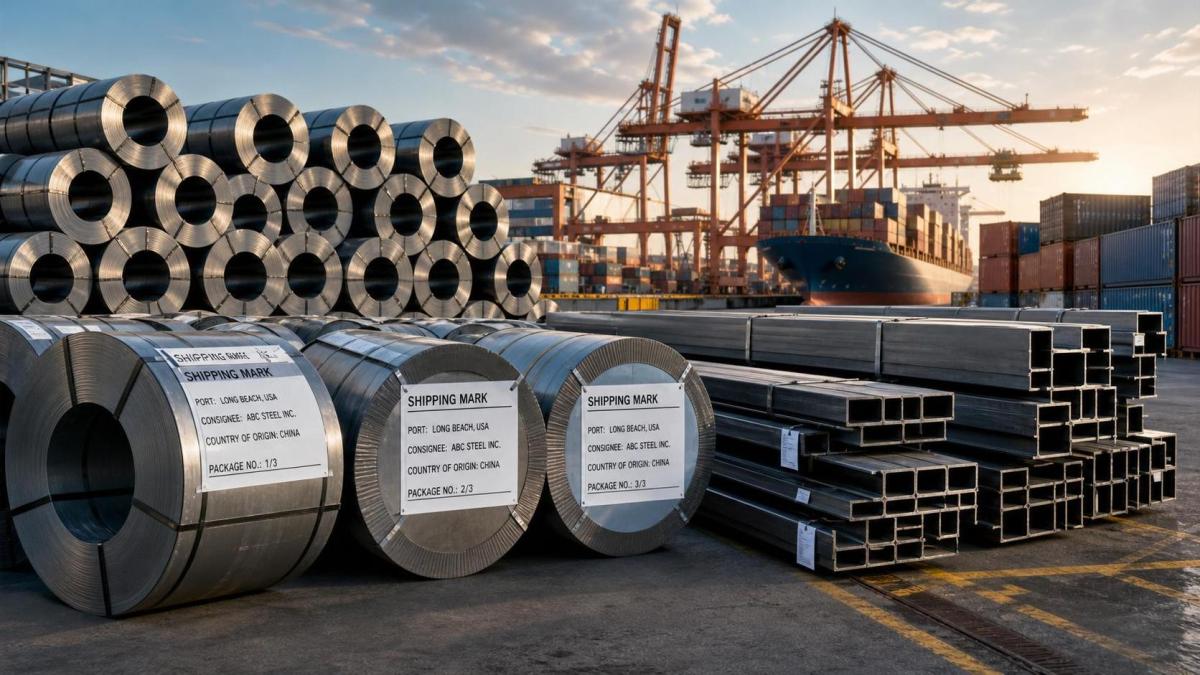
What the July 14 Notice Confirms
The confirmed facts are limited but commercially significant. The U.S. Department of Commerce initiated the first expedited sunset review of the anti-dumping duty order on Chinese-origin HRC on July 14, 2026. The review will decide whether the existing anti-dumping duties, currently set at 12.5% to 38.9%, should continue. The outcome is expected in December 2026.
The event directly relates to exports of Chinese HRC to the United States and has immediate relevance for the compliance route, quotation logic, and customs clearance arrangements tied to that trade flow during the review window.
Where the Near-Term Pressure Is Likely to Appear
Export transactions and quotation management
From an industry perspective, exporters and trading companies may feel the impact first in offer preparation and contract discussions. Because the review concerns whether existing duties remain in force, any U.S.-linked quotation for Chinese HRC may need closer attention to duty assumptions, timing, and responsibility allocation in commercial terms.
Distribution and customs-facing operations
Distributors and supply chain service providers handling U.S. entry processes are also exposed. The issue is not only tariff cost visibility, but also whether customs clearance planning over the next six months remains aligned with the current duty framework while the review is pending. What deserves closer attention is whether documentation, shipment timing, and importer-side arrangements are prepared for a period of policy uncertainty rather than a settled endpoint.
Downstream buyers and procurement teams
Procurement teams and downstream industrial users linked to U.S.-market supply may not be the direct subject of the review, but they can still be affected through pricing, delivery scheduling, and supplier negotiations. Analysis shows that their main exposure lies in how counterparties translate trade-remedy risk into contract terms and shipment planning during the period before the December result.
What Companies Should Watch During the Review Window
Follow official wording, not assumptions
Companies should track how the review is described in official updates and distinguish between a review process and a final outcome. The current development is the launch of a review, not a confirmed change in duty treatment.
Recheck transaction-level pricing logic
Businesses involved in U.S.-bound HRC trade should revisit how existing duty levels are reflected in quotations, margin calculations, and customer communication. This is especially relevant where pricing validity extends across the review period.
Prepare customs and document workflows for continuity
For distributors, import coordinators, and service providers, the practical issue is whether clearance arrangements can continue smoothly if current duty treatment remains the operative reference during the review. Supporting documents, shipment schedules, and counterpart responsibilities deserve a fresh review.
Keep customer and supplier communication precise
Observably, one of the main operational risks in this kind of development is misalignment between policy interpretation and business execution. Firms should keep communication focused on what is confirmed, what is still pending, and which parts of delivery or pricing may need contingency handling before December 2026.
How This Development Is Best Understood for Now
Analysis shows that this announcement is better understood as an active policy signal with immediate commercial consequences, but not yet as a final trade outcome. The review creates a defined observation period in which compliance, pricing, and shipment execution may need tighter coordination. It is more appropriate to understand this as a near-term operational issue with potential medium-term implications, rather than a completed policy shift.
At the same time, the event also deserves continued attention because the December 2026 result will determine whether the current anti-dumping duty framework remains in place for Chinese HRC exports to the U.S. market.
Why the Market Should Stay Focused Through December
The significance of this development lies less in headline value and more in execution risk. For the market, the immediate question is not whether a new rule has already taken effect, but how to manage business decisions while the continuation of existing duties is under review. Current conditions therefore call for disciplined monitoring, careful contract handling, and close coordination across export, pricing, and customs functions.
A neutral reading is the most appropriate one at this stage: the review is a live development with clear implications for trade operations, but the final policy direction still awaits confirmation.
Basis of This Article and Ongoing Verification
This article is based on the user-provided news title, event date, and event summary concerning the U.S. Department of Commerce's July 14, 2026 initiation of an expedited sunset review on anti-dumping duties for Chinese-origin HRC.
For developments of this type, relevant source categories typically include official government notices, company disclosures, industry association updates, authoritative media reporting, and trade or standards-related documents. A specific official source link was not provided in the input, so the precise source document still requires ongoing verification. The main point to keep watching is the expected December 2026 outcome and any official clarification that affects compliance treatment, quotation practice, or customs clearance arrangements.

Fill in the information
NOW.
Our staff will contact you as soon as possible