
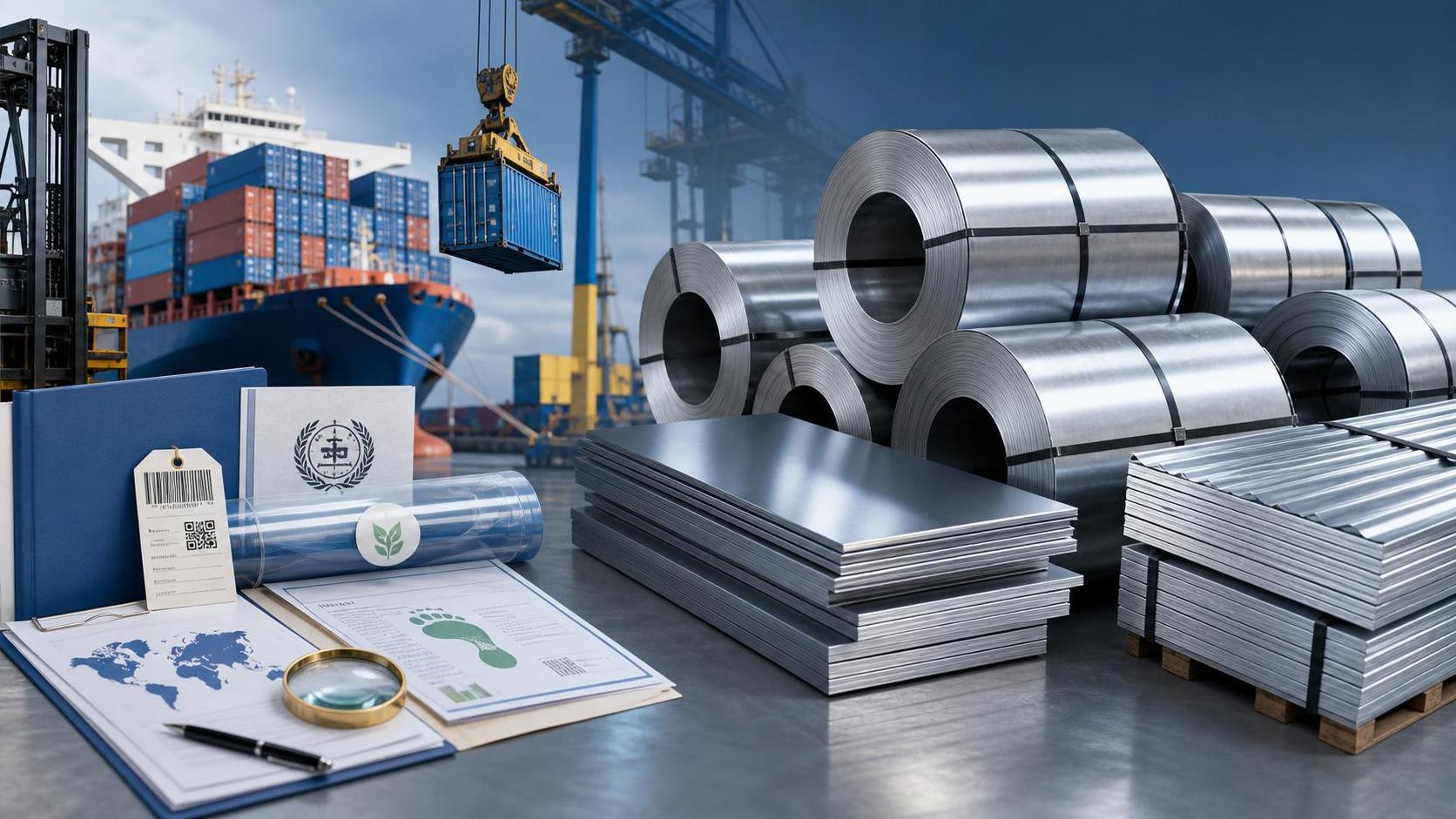
On July 1, 2026, two linked policy developments came into focus for the steel trade: China had already resumed issuing steel export licenses on June 15, ending the temporary controls in place since earlier in the year, while the European Commission confirmed that new annual autonomous quotas for Chinese steel products would take effect from July 1. For exporters, importers, processors, and supply chain service providers, the significance lies not only in the return of license issuance and the larger quota volume, but also in the added carbon footprint reporting and origin traceability requirements that may affect customs clearance speed, procurement timing, and compliance costs.
What Has Been Confirmed So Far
According to the information provided, China officially resumed issuing steel export licenses on June 15, 2026, marking the end of temporary control measures that had been in place since the beginning of the year. Separately, the European Commission announced that annual autonomous quotas for Chinese steel products would formally take effect on July 1.
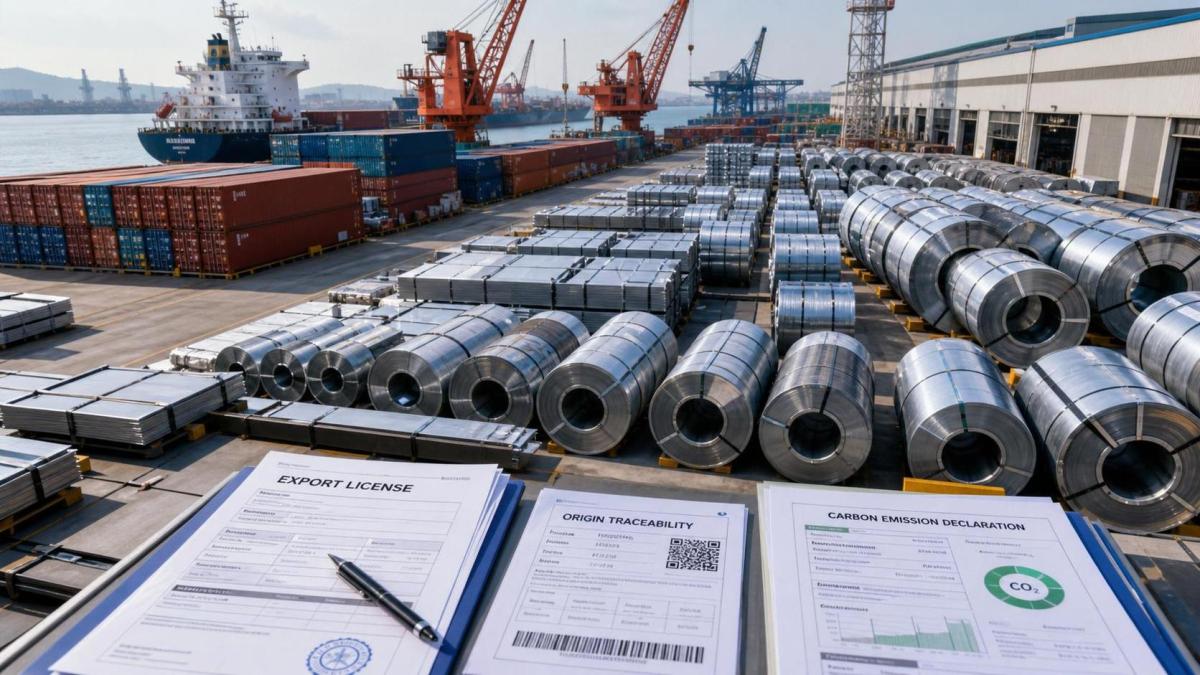
The quota arrangement covers eight major export-oriented steel product categories, including hot-rolled coil, cold-rolled sheet, and galvanized sheet. The total quota volume is 12% higher than in 2025. At the same time, the new arrangement adds carbon footprint declaration and origin traceability requirements.
The direct business impact identified in the source information is on customs clearance efficiency for overseas importers, procurement cycles, and compliance costs.
Where the Immediate Pressure Points May Appear
For exporters, timing and documentation move together
From an industry perspective, Chinese steel exporters may be affected first because license issuance has resumed just as the EU quota framework starts to apply. This means export execution is no longer shaped only by shipment availability or customer demand, but also by whether product documentation can match the new market-entry requirements in time.
What deserves closer attention is the connection between export licensing, product classification within the eight covered categories, and the additional reporting obligations tied to carbon footprint and origin traceability.
For overseas importers, clearance risk may shift from volume to compliance
Observably, importers in the EU or importers serving EU-bound trade may face a different operational challenge. A 12% increase in quota volume may create more room for sourcing, but that does not automatically mean faster cargo movement. If carbon footprint declarations or origin traceability files are incomplete or inconsistent, customs processing may still slow down.
The practical effect is likely to be felt in cargo release planning, document review, and internal compliance coordination rather than in pricing alone.
For processors and manufacturers, procurement cycles may become less predictable
Manufacturers and steel-processing businesses that rely on imported Chinese flat steel products may also need to pay attention. If importers and distributors adjust ordering schedules to fit quota availability and compliance preparation, downstream buyers could see changes in lead-time expectations and replenishment planning.
Analysis shows the issue is not simply whether material is available, but whether compliant material can be delivered on schedule under the new documentation framework.
For logistics and trade service providers, execution detail becomes more important
Supply chain service providers, customs brokers, and trade documentation teams may be affected through a heavier verification workload. When export license procedures resume and EU quota administration adds new reporting requirements, operational bottlenecks can appear in handoffs between exporters, importers, and service partners.
What deserves closer attention is whether document preparation, origin tracking, and shipment scheduling remain aligned across all parties before cargo reaches the clearance stage.
What Companies Should Watch Now
Follow how official wording is applied in practice
Analysis shows companies should distinguish between the policy signal itself and the way it is applied in day-to-day transactions. The key issue is not only that export licenses have resumed and quotas have started, but also how these requirements are interpreted during filing, customs review, and shipment execution.
Review covered product categories and customer exposure
Businesses involved in hot-rolled coil, cold-rolled sheet, galvanized sheet, and the other covered categories should check which customer orders and trade lanes are directly exposed to the July 1 quota framework. This is especially relevant for firms balancing multiple destinations or working with EU-related distribution channels.
Prepare compliance files before cargo movement
Observably, the added carbon footprint declaration and origin traceability requirements make pre-shipment document readiness more important. Companies may need to confirm whether supplier records, origin evidence, and supporting declarations can be assembled early enough to avoid delays at later stages.
Reset communication around lead times and delivery risk
From an industry perspective, exporters, importers, and service providers may need more frequent communication with customers on clearance timing, procurement windows, and possible compliance-related delays. This is less about changing commercial terms in theory and more about managing fulfillment expectations in practice.
Why This Looks Like More Than a Routine Trade Update
As an editorial observation, this development is better understood as a combined trade-access and compliance signal rather than a simple easing event. The resumption of Chinese export licenses points to a shift away from temporary controls, while the EU quota increase suggests continued market access under a more structured compliance framework.
At the same time, it would be premature to treat the larger quota alone as a clear improvement in trading conditions. Observably, the added carbon footprint and traceability requirements mean that operational readiness may matter as much as quota availability. For that reason, this remains a policy change that the market should continue to monitor rather than a fully settled outcome.
How to Read This Stage of the Market
The current development is most appropriately understood as a near-term operational adjustment with longer-term policy implications. In the short run, the focus is on licenses, quotas, customs processes, and document preparation. In the longer view, the combination of market access and traceability requirements suggests that compliance capability is becoming more central to steel trade execution.
A neutral reading is that the policy environment has become clearer, but not necessarily simpler. Companies across the steel supply chain may benefit more from close execution control and continued monitoring than from assuming that higher quota volume alone will reduce friction.
Basis of This Article
This article is based on the user-provided news title, event date, and event summary regarding the June 15, 2026 resumption of China steel export licenses and the July 1, 2026 start of new EU quotas for Chinese steel products.
For this type of industry update, commonly relevant source categories may include official government notices, regulatory announcements, company disclosures, industry association releases, authoritative media coverage, and standards-related documents. No specific official source link was provided in the input, so the underlying wording and any later implementation details still require ongoing verification.
What deserves continued attention is whether there are further clarifications on quota administration, carbon footprint declaration practice, origin traceability expectations, and the operational treatment of the covered steel product categories in actual trade flows.

Fill in the information
NOW.
Our staff will contact you as soon as possible