
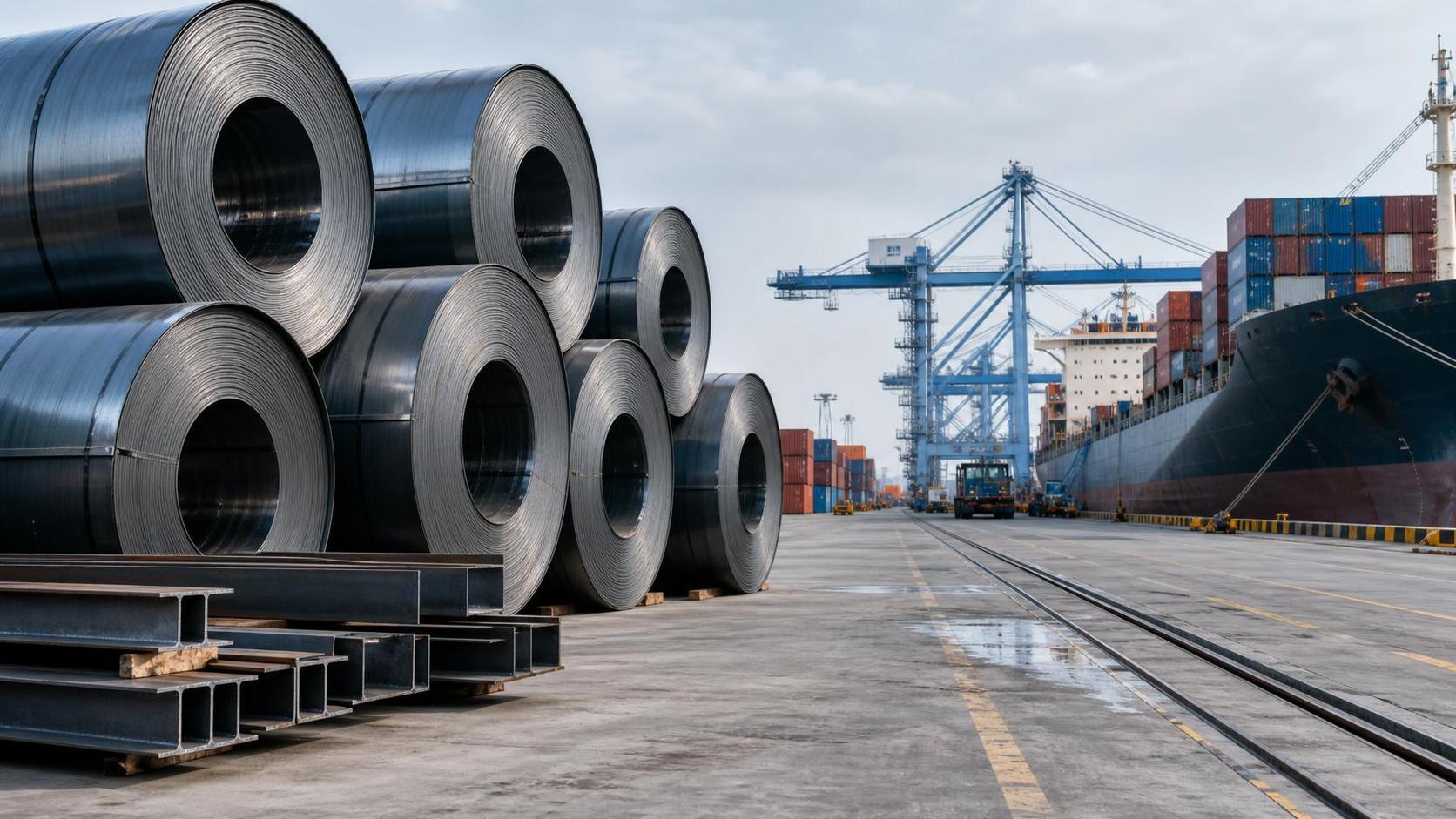
On July 30, 2026, the U.S. Department of Commerce opened an anti-circumvention investigation into whether hot-rolled coil exported from China to Vietnam, Thailand, and Malaysia was routed through third countries to avoid existing U.S. anti-dumping and countervailing duties on Chinese steel. For companies tied to structural steel, construction profiles, cross-border sourcing, and overseas project delivery, this development deserves attention because it points to a more demanding compliance environment around origin tracing, customs clearance, and shipment timing.
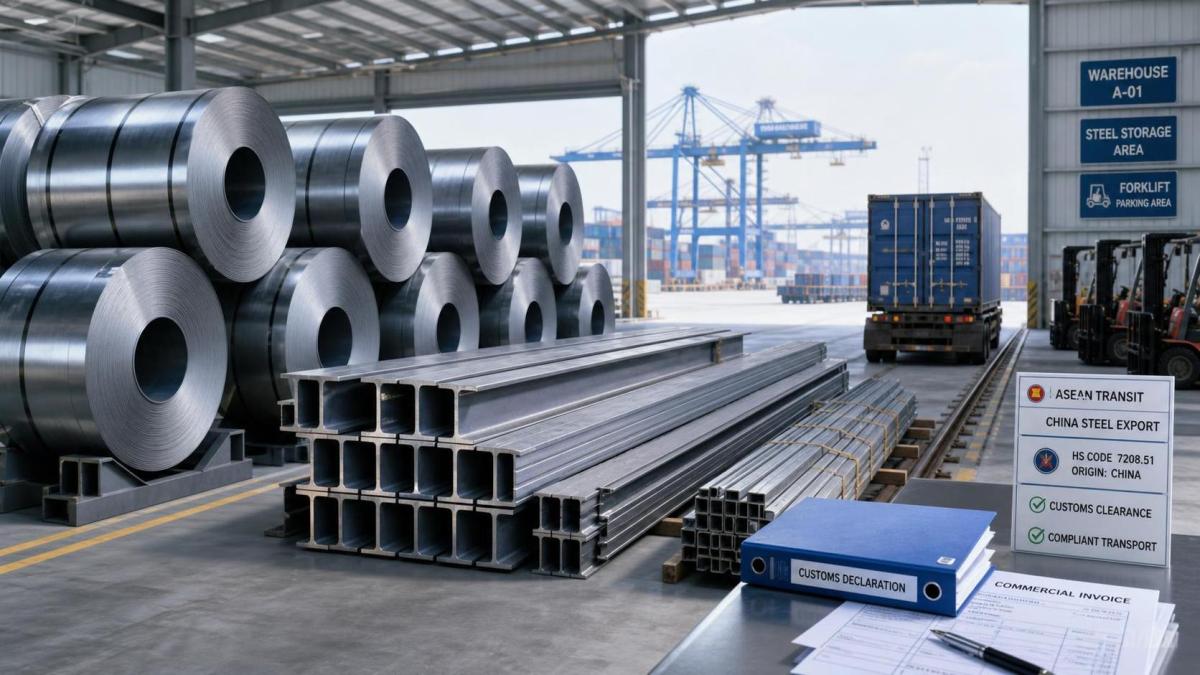
What has been formally put under review
The confirmed development is that the U.S. Department of Commerce formally initiated a case on July 30, 2026. The investigation concerns Chinese hot-rolled coil exported to Vietnam, Thailand, and Malaysia and examines whether third-country transshipment was used to circumvent U.S. anti-dumping and countervailing duties already applied to Chinese steel. Based on the event summary provided, the case may directly affect the stability of upstream raw material supply for profile products, the compliance path for exports, and delivery cycles, especially for overseas orders involving structural steel and construction profiles moved through Southeast Asia. Importers and distributors are also facing a need to reassess supply-chain traceability compliance and customs risk.
Where the pressure is likely to appear first
Orders relying on Southeast Asian transit routes
From an industry perspective, exporters handling steel structures and construction-profile orders through Southeast Asia may face the earliest operational pressure. The reason is straightforward: if routing arrangements and material origin become a larger point of scrutiny, the business impact will show up in export documentation, shipment planning, and customs handling. What deserves closer attention is whether current order structures can clearly support traceability from hot-rolled coil sourcing through to final export movement.
Upstream sourcing for profile manufacturers
Manufacturers and processors using hot-rolled coil as an upstream input may need to pay closer attention to supply continuity and procurement documentation. Analysis shows that the issue is not only price or availability, but whether procurement records, origin-related files, and supplier information can support downstream trade compliance when goods are linked to overseas delivery. Where raw material flows involve multiple jurisdictions, internal review of supporting records becomes more relevant.
Importers and distribution channels facing clearance risk
For importers and distributors, the main exposure lies in customs clearance risk and documentary consistency. Observably, if authorities place greater weight on tracing the movement and origin of steel-related products, import-side businesses may need to review whether existing files are sufficient to answer questions tied to sourcing routes, supplier chains, and shipment history. This is especially relevant where deliveries involve profile products connected to construction or structural applications.
Supply-chain service providers and delivery coordination
Logistics and supply-chain service participants may also feel the effect through longer review cycles and more cautious routing decisions. The immediate issue is not a confirmed outcome of the investigation, but the possibility that compliance checks could alter delivery planning, handover timing, and risk allocation between contracting parties. Businesses supporting cross-border fulfillment should therefore watch for changes in document requests and transaction review practices.
What companies should review now
Recheck origin and traceability files
Analysis shows that origin-related records should be reviewed with greater discipline where hot-rolled coil and downstream profile products are tied to exports or re-exports involving Southeast Asia. Companies should focus on whether supplier records, transaction files, and shipment documents can support a consistent explanation of sourcing and routing.
Examine contracts, order terms, and delivery assumptions
What deserves closer attention is whether current sales and procurement arrangements assume stable customs processing and unchanged transit patterns. Where orders depend on intermediary routing, businesses may need to reassess delivery commitments, clearance responsibilities, and the documentary burden attached to each shipment.
Watch for changes in official wording and practical enforcement
Because the provided information confirms the launch of an investigation rather than a final enforcement result, companies should avoid treating the situation as fully settled. It is more appropriate to understand this as a live regulatory development that could influence future compliance interpretation, customs review intensity, and trade execution practice. Follow-up attention should remain on official statements, enforcement language, and any shift in how trade documents are examined.
Pay closer attention to higher-exposure order categories
Orders involving structural steel, construction profiles, and transactions routed through Southeast Asia deserve priority review. Observably, these are the business areas most directly mentioned in the event summary, which means internal compliance, procurement, logistics, and commercial teams should align their records and risk assumptions around those flows first.
Why this should be read as a regulatory signal
Analysis shows that this development is best understood less as a completed trade outcome and more as an enforcement signal tied to anti-circumvention review. The practical importance lies in the message it sends about supply-chain visibility: when upstream steel inputs and third-country routing are part of the transaction path, traceability and documentary integrity become central to commercial execution. For the market, the immediate task is not to predict a final result without evidence, but to recognize that compliance review may move closer to sourcing structure and shipment design.
How the market may need to frame this development
At this stage, a measured reading is more appropriate than a definitive conclusion. The confirmed fact is the opening of an anti-circumvention investigation by the U.S. Department of Commerce on July 30, 2026, focused on Chinese hot-rolled coil exported to Vietnam, Thailand, and Malaysia. From an industry perspective, the significance lies in the operational questions now raised around raw material continuity, export routing, customs handling, and delivery timing. It is more appropriate to understand this as a material compliance development that warrants close monitoring, rather than as a finalized trade outcome.
Basis of this article and what still needs verification
This article is generated on the basis of the user-provided news title, event date, and event summary. For developments of this type, relevant source categories typically include official announcements, releases from regulatory authorities, customs or trade administration information, industry association updates, standards-related documentation, and reporting from established professional media. No specific official source link was provided in the input, so the underlying official publication and any later updates still require ongoing verification. Observably, further attention should remain on detailed enforcement language, compliance interpretation, tender-document changes, market feedback, and how affected companies implement traceability and trade-control measures in practice.

Fill in the information
NOW.
Our staff will contact you as soon as possible