

On July 5, 2026, the European Commission released transition-period implementation guidance for CBAM covering steel products, setting a clear reporting requirement ahead of October 1, 2026 for certain steel exports to the EU. For exporters of hot-rolled coils, H-beams, angle steel and related sections, the immediate issue is no longer only market access in principle, but whether carbon data submission and verification can be aligned with customs clearance, delivery schedules and customer commitments in practice.
What the new steel guidance formally requires
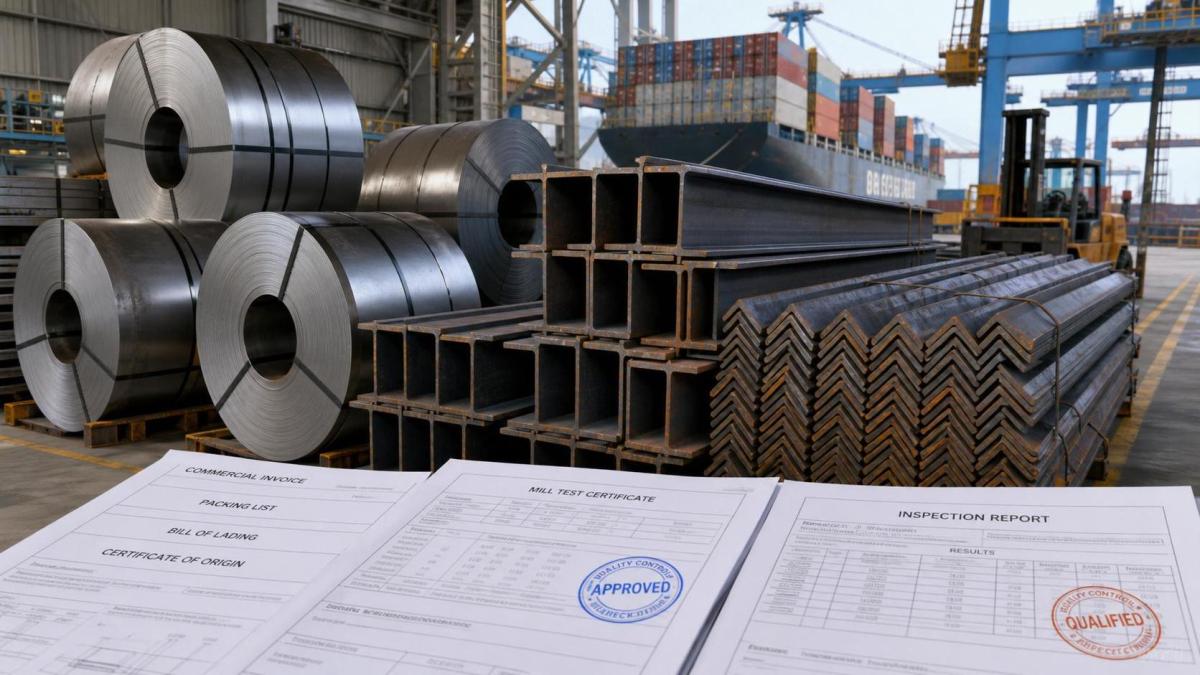
According to the information provided, the European Commission formally issued the Carbon Border Adjustment Mechanism transition guidance for steel products on July 5, 2026. The guidance states that from October 1, 2026, all covered steel section products exported to the EU, including hot-rolled coils, H-beams and angle steel, must submit quarterly embedded carbon emissions data and a verification report through the CBAM portal.
The confirmed impact described in the source information is direct: the new requirement affects customs clearance procedures, certification-related costs and delivery lead times for Chinese steel exporters. The same source also makes clear that non-compliant reporting may result in cargo being held at port or refused entry into the EU market.
Where pressure is likely to appear across the trade chain
Export transactions face a documentation threshold
From an industry perspective, direct trading companies are likely to feel the change first because the reporting obligation is tied to the ability to move goods into the EU market. The practical impact is concentrated in shipment preparation, document readiness and coordination with buyers around filing timelines. What deserves closer attention is whether export teams can match product shipments with the required quarterly carbon reporting and verification workflow.
Manufacturing and processing links will be drawn into data preparation
Analysis shows that steel producers and processors involved in covered products may be affected even when they are not the final exporter. The reason is straightforward: embedded carbon reporting depends on product-level emissions information that exporters may need to obtain, organize and present in a usable form. The operational pressure is therefore likely to appear in internal data collection, document consistency and communication between production and export functions.
Logistics and customs service providers may see longer coordination cycles
Observably, supply chain service providers, including parties involved in customs and shipment execution, may need to adapt their timelines to accommodate reporting and verification steps. The relevant business risk is not that transport itself changes, but that shipment release and delivery predictability can be affected if filing is incomplete or delayed. For service providers, the key change to watch is whether compliance timing becomes a gating factor for dispatch and clearance planning.
EU buyers and procurement teams may demand earlier compliance confirmation
Buyers and procurement teams connected to EU-bound steel trade may also be affected because reporting gaps can turn into port delays or market access problems. In practice, this can shift commercial discussions toward documentation readiness, submission responsibility and delivery risk allocation. What deserves closer attention is whether customer communication moves earlier in the order cycle as October 2026 approaches.
What companies should monitor before the reporting date
Watch for any further official clarification
Analysis shows that the current guidance sets a concrete reporting direction, but companies should still monitor whether additional official wording, operational instructions or interpretive clarifications follow before October 1, 2026. The distinction between a published rule and day-to-day filing practice matters because operational bottlenecks often emerge in the details of implementation.
Identify the exact product scope in ongoing EU business
For companies shipping hot-rolled coils, H-beams, angle steel and similar section products, the first practical issue is to map which active or planned EU orders fall within the reporting requirement described in the provided information. This affects contract execution, shipment sequencing and customer communication more directly than broad strategic discussion.
Prepare carbon data and verification materials alongside shipping documents
From an operational perspective, businesses should treat embedded carbon data and verification reports as part of export readiness rather than as a separate compliance topic. The supplied information already indicates possible effects on customs clearance and delivery timing, so document preparation, internal review and submission planning are likely to become part of the shipment workflow.
Review delivery commitments and contingency communication
Observably, companies with regular EU deliveries may need to reassess lead-time commitments and escalation processes with customers and service partners. Since the provided information states that non-compliant reporting may lead to port detention or refusal of entry, the immediate concern is not only filing itself but how businesses communicate potential delays and allocate responsibility if documentation is incomplete.
Why this matters beyond a single compliance notice
This section is an editorial observation. It is more appropriate to understand this development as an immediate operational change with longer-term policy significance, rather than as a short-lived administrative update. The reason is that the published guidance links carbon reporting directly to the physical movement of steel products into the EU market.
At the same time, this should not yet be overstated as a final outcome for every participant in the steel trade. Analysis shows that the current information confirms a reporting requirement and its likely business effects, but the full commercial impact will still depend on how companies, buyers and service providers adapt their processes ahead of implementation.
How the market is likely to read the signal for now
For the steel export market, the practical meaning of this update is clear: CBAM compliance for covered steel sections is moving closer to routine execution, and reporting readiness is becoming part of transaction readiness. A balanced reading is that this is already a near-term operational issue for affected exporters, while also serving as a longer-term signal that carbon-related documentation will remain closely tied to access to the EU market.
Current industry attention is therefore better focused on execution risk, document readiness and delivery coordination than on broad speculation. That is the most rational way to understand the announcement at this stage.
Basis of this article and points still requiring verification
This article is based on the user-provided news title, event date and event summary concerning the European Commission's July 5, 2026 release of CBAM transition guidance for steel products. In reporting on developments of this type, commonly relevant source categories may include official announcements, company disclosures, industry association updates, authoritative media coverage and standards-related documents.
A specific official source link was not provided in the input, so the underlying text and any later implementation details still require continued verification against official publications. Follow-up attention should focus on any subsequent clarification of filing practice, verification expectations and operational procedures connected to CBAM portal reporting for covered steel exports to the EU.

Fill in the information
NOW.
Our staff will contact you as soon as possible