
NEWS CENTER
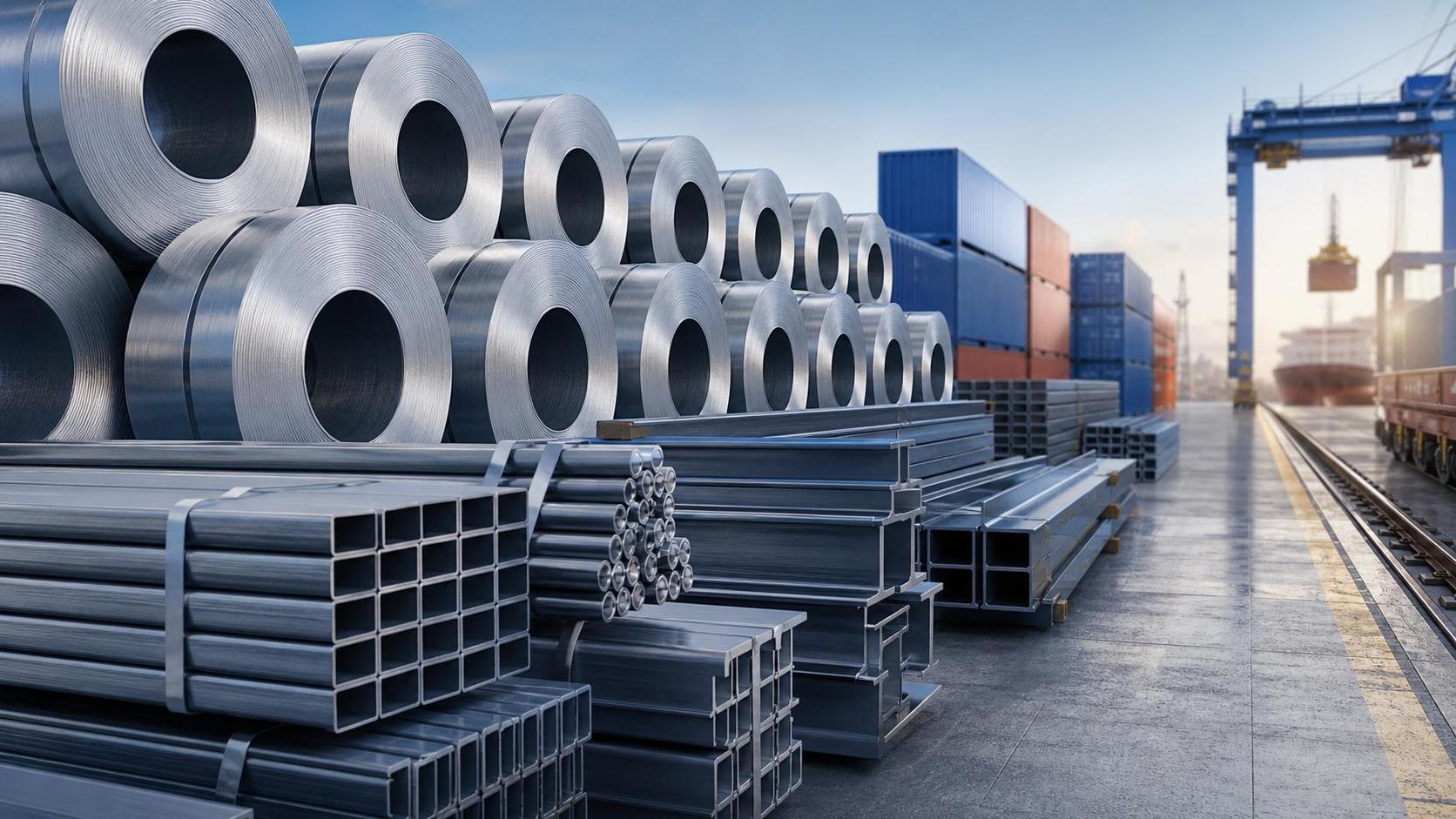
On July 4, 2026, the U.S. Department of Commerce announced an expedited review of the anti-dumping order on hot-rolled coil (HRC) from China, covering export shipments from October 2025 to March 2026. For the steel supply chain, this is not only a raw material trade issue. It also matters to companies selling HRC-based cold-formed sections, structural steel profiles, and other downstream products into the U.S., because any change in the applicable anti-dumping rate could affect landed cost, quotation strategy, delivery confidence, and buyer assessment of supplier stability.
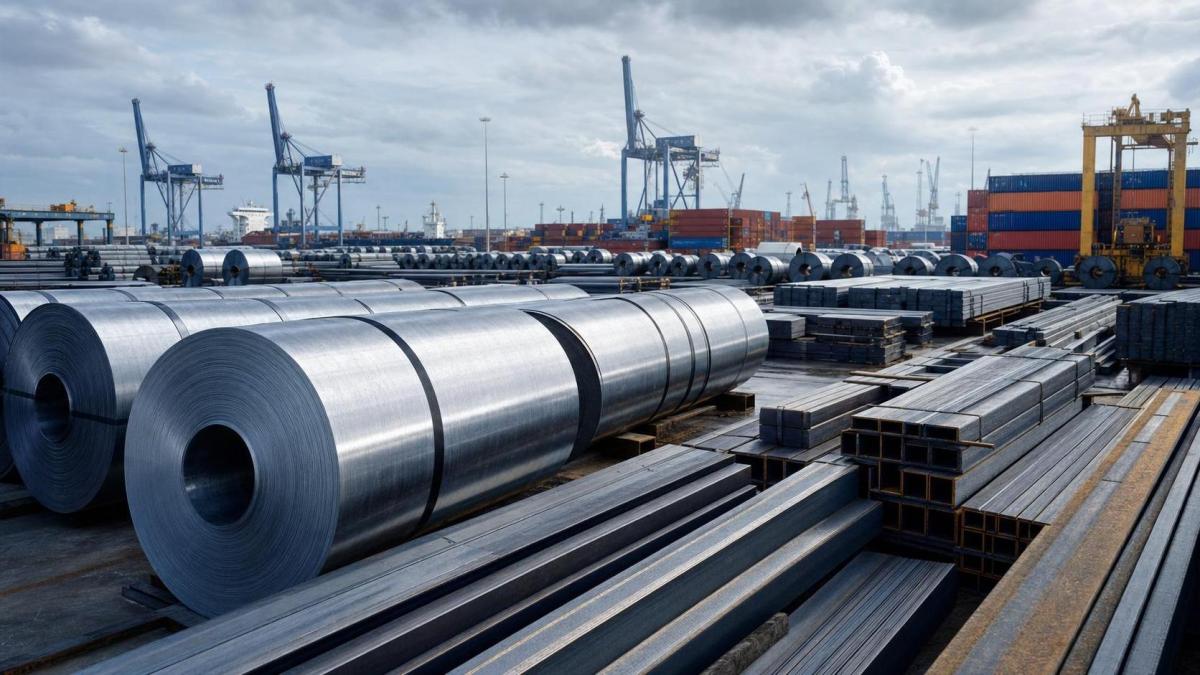
What the announcement confirms
The confirmed facts are limited but commercially important. The U.S. Department of Commerce issued the notice on July 4, 2026 and formally started an expedited review of the anti-dumping duty order on Chinese-origin HRC. The review covers export batches shipped between October 2025 and March 2026. According to the provided information, the current anti-dumping duty range is 12.8% to 26.5%, and the review may result in a higher rate. The information also states that this would directly affect the export cost and price competitiveness of further processed products that use HRC as a base material, including cold-formed sections and structural steel products sold to the U.S. market.
Why the impact extends beyond HRC itself
Pressure on exporters quoting U.S. customers
From an industry perspective, direct exporters are exposed because HRC is an upstream cost element for a range of steel profile products. If the review leads to a higher anti-dumping burden, the impact is likely to show up first in quoted prices, margin assumptions, and contract discussions tied to U.S. delivery. What deserves closer attention is whether suppliers can keep pricing valid while the review remains unresolved.
More scrutiny for profile and fabricated steel suppliers
Manufacturers of cold-formed sections and structural steel products may face pressure even when they are not selling HRC itself. Analysis shows that buyers may look more closely at how dependent a supplier is on Chinese-origin HRC, how export batches are documented, and whether the supplier can maintain compliant and predictable delivery into the U.S. market. The operational issue is not only cost, but also confidence in execution.
Reassessment by distributors and end buyers
Overseas distributors and end purchasers are specifically identified in the provided information as parties that need to reassess Chinese suppliers. Observably, that reassessment is likely to center on price stability, compliance exposure, and the supplier's ability to absorb or pass through any duty change. For buyers, the key business question is whether current sourcing plans remain workable under a less certain cost base.
Knock-on effects for supply chain coordination
Service providers involved in procurement, shipment coordination, and order fulfillment may also need to monitor the review closely. Analysis shows that when upstream trade measures are under review, the most immediate strain often appears in schedule commitments, document checks, and customer communication around potential pricing adjustments. That does not establish a final outcome, but it does raise execution risk across the chain.
What companies should watch now
Official wording and any change in scope
Companies should track subsequent official language around the expedited review, especially anything that clarifies treatment of the covered October 2025 to March 2026 shipments and any updated position on applicable anti-dumping rates. The immediate priority is to separate confirmed procedural developments from market interpretation.
Product lines with HRC cost exposure
Businesses exporting cold-formed sections, structural steel profiles, or other HRC-based processed products to the U.S. should review which product lines are most exposed to a change in upstream duty cost. What deserves closer attention is not a general cost increase narrative, but the specific quotations, orders, and customer accounts where HRC cost assumptions are embedded.
Documentation, compliance, and delivery commitments
Because overseas buyers are being pushed to reassess supplier reliability, Chinese suppliers and trading companies should pay close attention to shipment records, product documentation, and delivery commitments connected to the review period. Analysis shows that compliance confidence can become as important as price when customers are deciding whether to maintain sourcing continuity.
Customer communication and contingency planning
Distributors and end users may need more active communication with suppliers on pricing validity, adjustment terms, and lead-time reliability. It is more appropriate to understand this as a practical planning issue: companies should be ready to explain how they would manage a rate increase, rather than assuming that existing commercial terms will remain unaffected.
How this should be read at this stage
Analysis shows that this development is best understood as a live trade-policy signal rather than a completed market outcome. The review has started, and the possibility of a higher anti-dumping rate is commercially significant, but the provided information does not confirm a revised final rate. For that reason, the market impact is already relevant for pricing and supplier evaluation, while the full cost effect still requires continued observation.
Observably, the broader message for the steel and profile supply chain is that upstream trade measures can quickly reshape the competitiveness of downstream products. In this case, the issue is not limited to HRC transactions themselves; it reaches any supplier whose U.S. offer depends on HRC-linked cost assumptions and compliance credibility.
A near-term risk with longer-term implications
The immediate significance of this announcement lies in cost uncertainty and buyer caution. The longer-term significance, based only on the provided information, is that sourcing decisions for U.S.-bound steel profile products may become more sensitive to upstream trade exposure. It is more appropriate to understand this development as a near-term business risk that also carries a broader policy signal, rather than as a finalized shift in market structure.
Basis of this article
This article is based on the user-provided news title, event date, and event summary concerning the July 4, 2026 announcement by the U.S. Department of Commerce on the expedited anti-dumping review of Chinese-origin HRC. For this type of development, commonly relevant source categories may include official government notices, company disclosures, industry association updates, authoritative media reporting, and trade or standards documentation. A specific official source link was not provided in the input, so the exact document path still requires ongoing verification. Continued attention should focus on any follow-up official statements, scope clarifications, and changes that may affect pricing, compliance, and delivery expectations in the U.S.-bound steel products trade.

Fill in the information
NOW.
Our staff will contact you as soon as possible