
NEWS CENTER
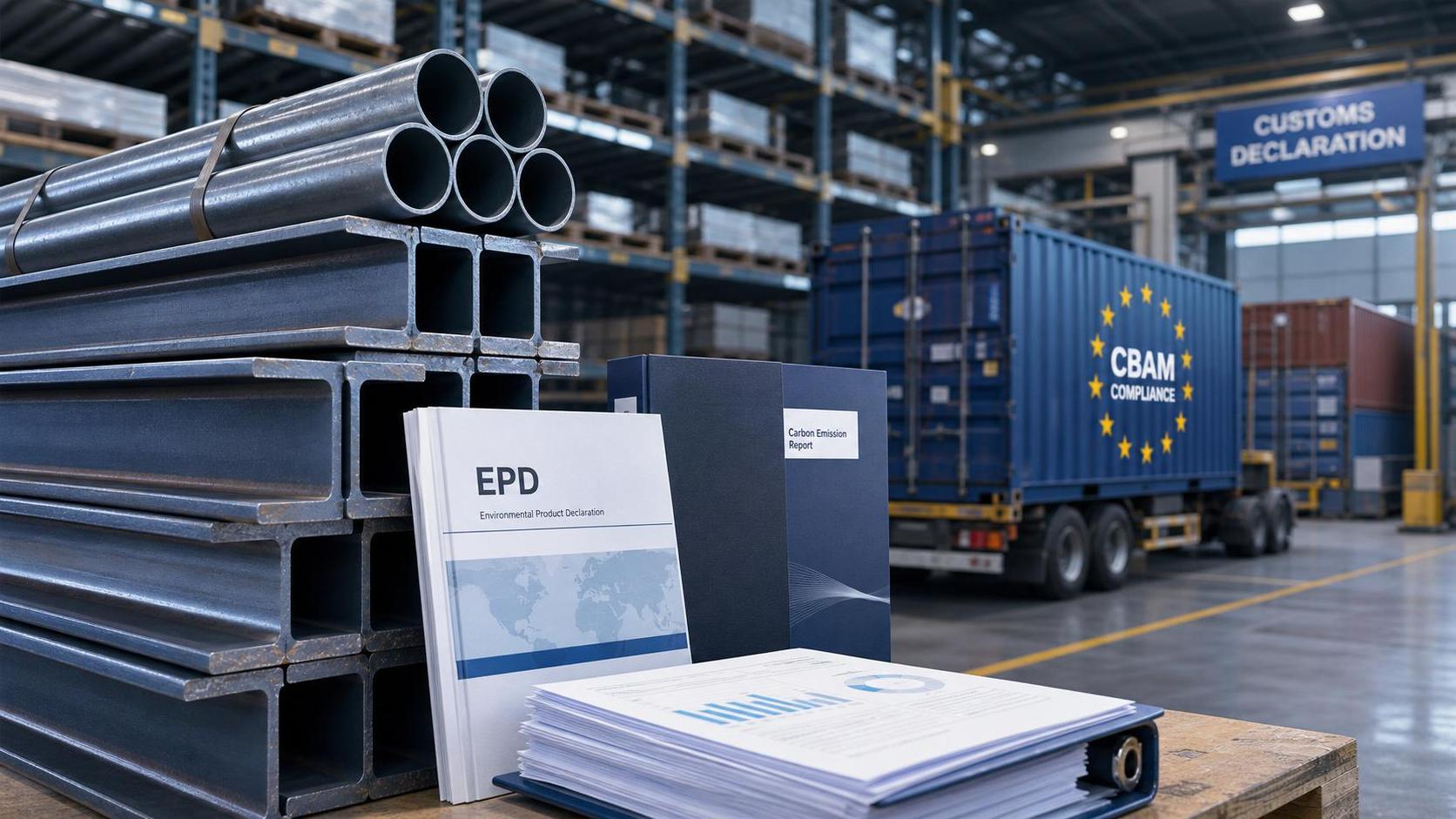
On July 1, 2026, the EU’s Carbon Border Adjustment Mechanism (CBAM) enters a mandatory declaration and data reporting phase for steel products, covering structural sections and semi-finished products such as H-beams, I-beams, and structural tubes. For Chinese section steel exporters, and for global buyers sourcing structural steel from China, the immediate issue is no longer only product shipment but whether EPD documentation and life-cycle carbon footprint reporting can move in step with customs clearance and delivery schedules.
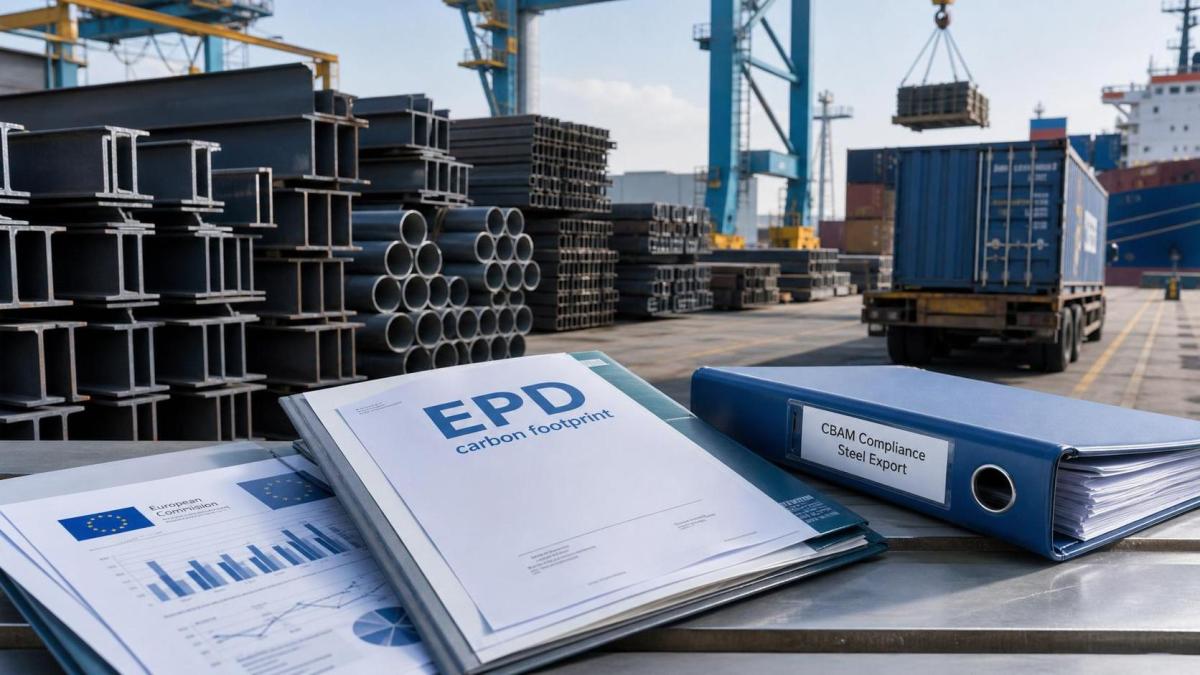
What the July 1 requirement formally covers
Confirmed information shows that from July 1, 2026, CBAM applies a mandatory declaration and data reporting requirement to steel products, including all sections and semi-finished products such as H-beams, I-beams, and structural tubes. Exporting companies are required to submit an Environmental Product Declaration (EPD) verified by a recognized body, together with a full life-cycle carbon footprint report.
The confirmed compliance risks are also clear. If the required materials are not submitted in line with the rule, companies may face customs clearance delays, additional guarantees, and subsequent quota deduction risk. The requirement directly affects the compliance threshold and delivery rhythm for global purchasers importing structural steel from China.
Where the pressure is likely to appear first
Export transactions move from shipment readiness to document readiness
From an industry perspective, direct trading companies are likely to feel the impact first because the rule connects market access with verified carbon documentation. The operational pressure is likely to appear in export filing, customs preparation, and shipment scheduling. What deserves closer attention is whether EPD and carbon footprint materials are available in time for each shipment rather than being prepared only after commercial terms are agreed.
Buyers face a new compliance checkpoint before delivery
Global buyers sourcing structural steel from China may be affected because product availability alone no longer resolves import execution. The main impact is likely to fall on supplier qualification review, contract communication, and delivery planning. Observably, buyers will need to pay closer attention to whether suppliers can provide recognized verification documents in sync with order execution.
Supply chain service providers may see tighter coordination demands
Supply chain service providers, including parties involved in documentation, customs coordination, and cross-border delivery, may also be affected because incomplete compliance materials can create timing risk across the shipment process. The issue is less about price movement in the information provided and more about whether documentation, reporting, and handover steps remain aligned.
What companies should watch now
Separate confirmed obligations from internal assumptions
Analysis shows that companies should first distinguish between what is already confirmed and what still requires follow-up verification. The confirmed obligation is the need for a recognized EPD and a life-cycle carbon footprint report for affected steel products. Internal assumptions about how different customers or transactions may interpret the rule should not replace formal compliance preparation.
Check which products and orders fall into the immediate scope
What deserves closer attention is product scope. The information provided clearly mentions H-beams, I-beams, structural tubes, all section products, and semi-finished steel products. Companies involved in these categories should review ongoing and upcoming export orders to the EU and identify where documentation readiness could become a delivery bottleneck.
Review supplier credentials and document lead time
In practical terms, exporters and buyers should focus on whether supporting documents can be verified by a recognized body and whether that process matches shipment timing. This is especially relevant where order confirmation, production scheduling, and customs preparation are managed by different teams or counterparties.
Prepare customer communication and delivery contingencies
Observably, the compliance issue is not limited to filing itself. Because the stated risks include customs delays, additional guarantees, and possible quota deduction consequences, companies may need clearer communication with customers on document status, dispatch timing, and contingency arrangements for affected shipments.
Why this reads as more than a routine filing update
Analysis shows that this development is better understood as a concrete compliance signal rather than a purely procedural notice. The reason is that the requirement links carbon-related documentation directly to market access and delivery execution for steel trade into the EU. At the same time, it is still more appropriate to treat some downstream commercial effects as an area for continued observation, because the input information confirms the rule and the compliance risks, but does not quantify wider market outcomes.
From an industry perspective, the key point is that carbon reporting for steel sections is moving closer to day-to-day trade operations. That makes document credibility, verification status, and reporting coordination part of routine transaction management rather than a separate sustainability discussion.
How the market may best interpret this stage
A balanced reading is that the July 1 implementation marks an immediate operational change for affected steel exports, especially where shipments to the EU depend on synchronized compliance documentation. It is more appropriate to understand this as both a short-term execution issue and a longer-term compliance signal. In the near term, the focus is on customs timing and order fulfillment; over a longer horizon, the industry will likely continue watching how documentation requirements shape supplier access and buyer screening in structural steel trade.
About the basis of this article
This article is generated from the user-provided news title, event date, and event summary. The analysis is limited to the confirmed information that CBAM mandatory declaration and reporting for covered steel products starts on July 1, 2026, that recognized EPD and life-cycle carbon footprint documentation are required, and that non-compliance may lead to customs delays, additional guarantees, and later quota deduction risk.
For this type of industry update, source categories that are usually relevant include official notices, company disclosures, industry association updates, authoritative media reporting, and standard-setting documents. No specific official source link was provided in the input, so the exact official reference still needs continued verification. Follow-up attention should remain on any formal wording updates, implementation clarifications, and practical filing requirements affecting covered steel exports to the EU.

Fill in the information
NOW.
Our staff will contact you as soon as possible