
NEWS CENTER
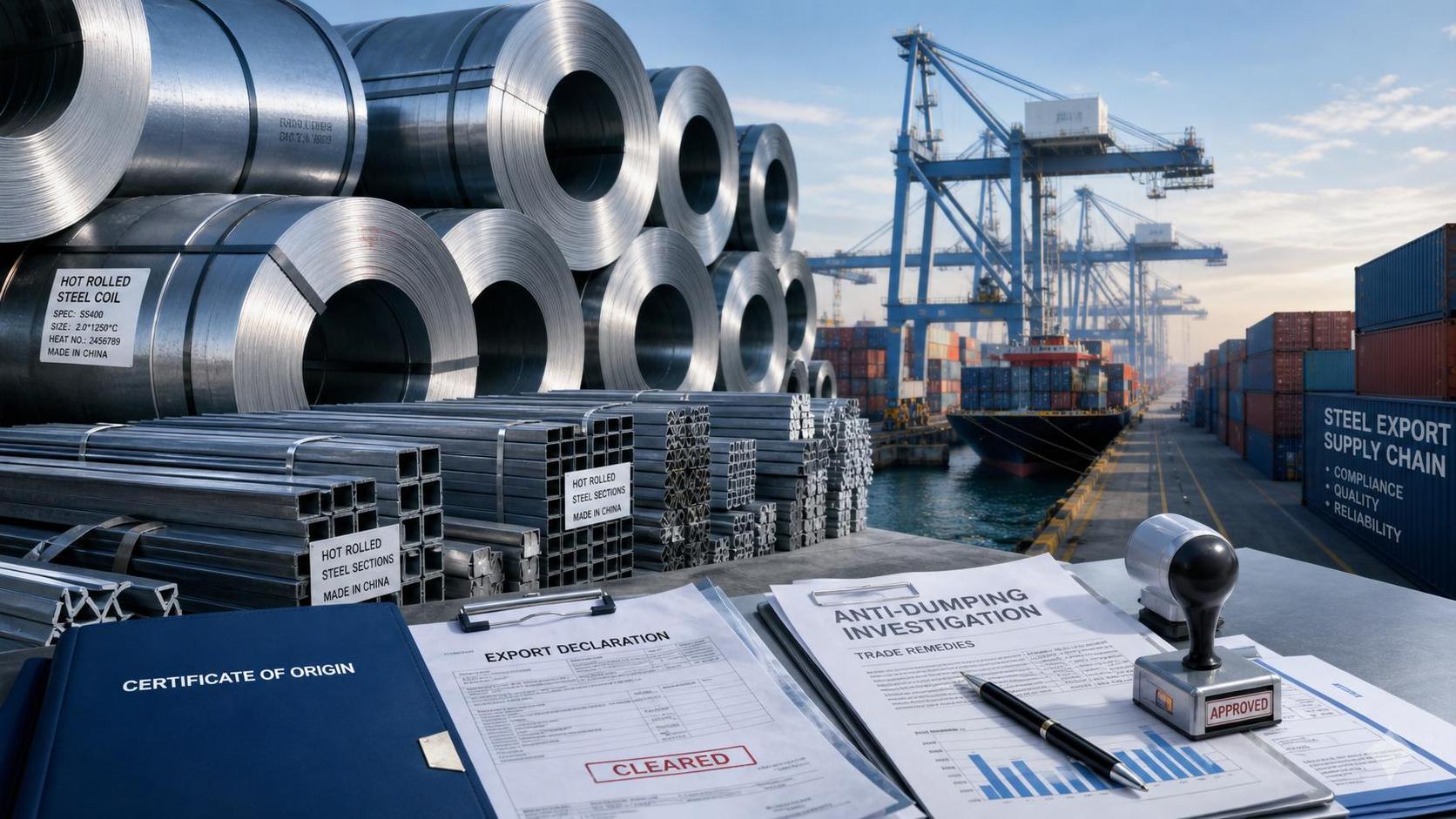
Japan opened an anti-dumping investigation on hot-rolled steel imports from mainland China, South Korea, and Taiwan on June 1, 2026, setting off a new compliance and pricing variable for steel trade linked to the Japanese market. For exporters, importers, distributors, and supply-chain service providers, the issue is not only the investigation itself, but also how a potential duty outcome could affect customs cost calculations, contract terms, origin-document use, and contingency planning for supply replacement.
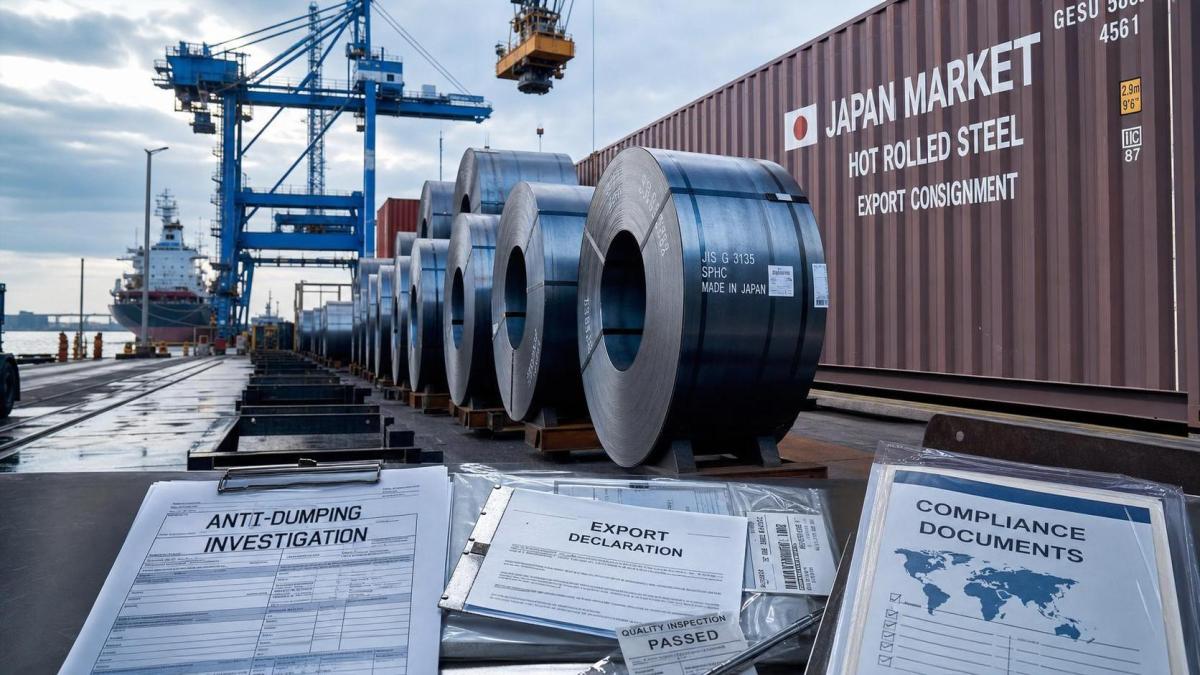
What has been confirmed so far
According to the information provided, the investigation was formally launched by Japan on June 1, 2026 and is expected to run for one year. The case covers hot-rolled steel products from mainland China, South Korea, and Taiwan. The application was jointly filed by four Japanese steel companies, including Nippon Steel and JFE. If the allegation is upheld, high anti-dumping duties may be imposed.
The same information indicates that the case is directly relevant to overseas importers' customs clearance costs, revisions to procurement and sales contract clauses, and the applicability of origin-related compliance documents such as Form A and FTA certificates. It is also described as particularly relevant to section steel distributors in Southeast Asia and the Middle East that rely on Japanese-standard re-export channels or end-use matching arrangements.
Where the trade and compliance pressure may emerge first
Import-side pricing and customs handling
From an industry perspective, overseas importers connected to this product flow may be among the first to feel the impact because any future anti-dumping duty risk can change landed-cost assumptions before final findings are known. The business effect may appear in customs budgeting, shipment timing, and internal review of which product lines remain commercially viable under a higher duty scenario. What deserves closer attention is whether current declarations, supporting paperwork, and product descriptions are fully aligned with the trade route and transaction structure already in use.
Contract management for exporters and buyers
Exporters and procurement teams may need to revisit how duty risk is addressed in ongoing or upcoming contracts. Analysis shows that the practical issue is less about immediate market conclusions and more about whether pricing clauses, tax-sharing arrangements, delivery obligations, and change-of-law style provisions are clear enough if the case moves forward. For businesses supplying under fixed-price terms, the investigation introduces a need to review how tariff-related adjustments could be handled without disrupting delivery commitments.
Origin documentation and supporting files
For firms relying on origin-related documentation, the investigation raises a compliance review point rather than an automatic document invalidation issue. Observably, Form A, FTA certificates, and related origin files may receive closer commercial and procedural scrutiny where buyers or intermediaries reassess how those documents are used in customs clearance, tender support, or downstream resale. Companies involved in documentation, certification support, or trade administration should therefore pay attention to consistency across commercial invoices, origin papers, and product traceability records.
Re-export and downstream distribution routes
Distributors serving Southeast Asia and the Middle East may face added complexity where Japanese standards are part of the resale logic or end-use matching requirement. The issue here is not a confirmed change in all downstream demand, but a possible shift in sourcing preference, quotation structure, and replacement planning if buyers decide to reduce exposure to investigated supply. Supply-chain service providers may also need to prepare for more requests related to routing options, delivery sequencing, and substitute supply assessment.
Practical issues companies should monitor now
Review the file set behind each shipment
Analysis shows that businesses should first check whether origin certificates, specification sheets, invoices, packing records, and transaction descriptions are internally consistent. Where deals involve re-export, Japanese-standard matching, or multiple supply-chain participants, document alignment may become more important if counterparties begin tightening their own compliance review.
Recheck clause design in active negotiations
Companies currently quoting or negotiating hot-rolled steel business tied to the affected trade flow may need to review duty-allocation language, price-adjustment mechanisms, and delivery responsibility wording. This does not mean a new execution rule has already been imposed, but it is a sensible response to a regulatory process that could alter import cost assumptions during the contract period.
Map substitute supply and delivery scenarios
What deserves closer attention is whether existing procurement plans rely too heavily on a single investigated origin for products that must meet Japanese-standard circulation or terminal matching needs. Firms do not yet have a confirmed final duty outcome, but they may still benefit from assessing alternative supply arrangements, especially where delivery windows, resale commitments, or project support obligations are tight.
Watch for changes in buyer-side requirements
Importers, distributors, and supporting service providers should monitor whether customers begin adjusting tender wording, supporting document requests, or internal approval thresholds. Observably, even before a final result is known, counterparties may start asking for stronger traceability files, clearer origin support, or more flexible delivery arrangements as a precaution.
Why this should be read as a regulatory signal, not a final market verdict
Analysis shows that this development is more appropriately understood as a live trade-rule signal than as a settled outcome. The confirmed fact is that an anti-dumping investigation has started and may lead to high duties if the case is sustained. The unconfirmed part is how the eventual decision, implementation approach, and market response will unfold. That distinction matters because premature assumptions can distort pricing, sourcing, and contract decisions just as much as underestimating the compliance burden.
From an industry perspective, the value of this update lies in the operational warning it sends: companies tied to the investigated supply flow should prepare for closer scrutiny of price logic, customs exposure, origin support, and supply continuity. At the same time, the market still needs to observe how official wording, buyer behavior, and transaction practices develop over the investigation period.
How the market may best understand this stage
At this stage, the case is best read as an ongoing trade compliance development with potential consequences for cost, documentation, contracting, and supply planning, rather than as a finalized duty event. For businesses exposed to the affected hot-rolled steel trade, a measured response is likely more appropriate than either complacency or overreaction. The key near-term task is to strengthen readiness in pricing review, file control, and supply-chain alternatives while continuing to watch for further procedural clarification.
Basis of this article and what still needs verification
This article is generated from the user-provided news title, event date, and event summary. For developments of this kind, commonly relevant source types may include official announcements, releases from regulatory or trade authorities, customs or trade administration information, industry association materials, standard-setting documents, and reporting by established business media.
No specific official source link was provided in the input, so the official basis and any later procedural updates still need to be verified on an ongoing basis. Further observation is still needed regarding detailed procedural developments, compliance interpretation for origin-related documentation, possible changes in tender or procurement documents, market feedback from affected participants, and how companies adjust execution in practice.

Fill in the information
NOW.
Our staff will contact you as soon as possible