
NEWS CENTER

On July 17, 2026, the European Commission formally issued the transitional implementation rules for CBAM covering steel products, setting a new reporting requirement for certain steel and section products exported to the EU. From October 1, 2026, exporters of hot-rolled sections, H-beams, angle steel, and related products will need to submit verified embedded carbon emissions intensity data through the CBAM portal. For Chinese exporters and their supply-chain partners, this is worth close attention because the change reaches beyond policy wording and directly touches customs filing, document readiness, certification expense, and delivery timing.
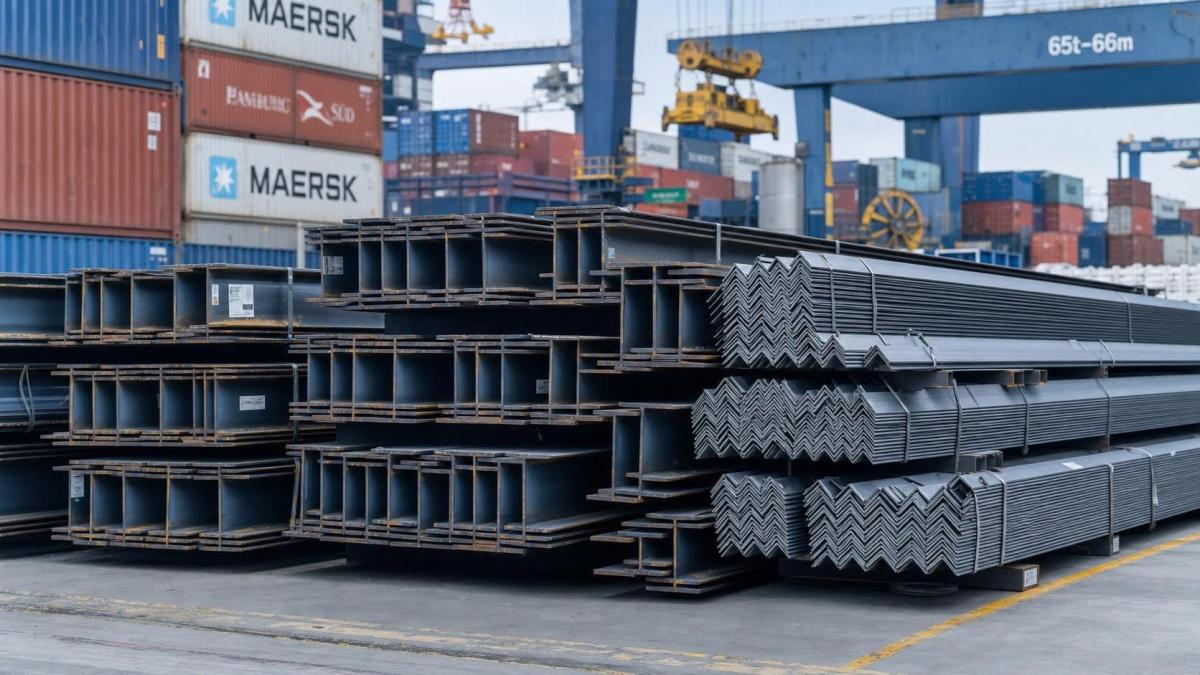
What the new filing requirement formally changes
The confirmed change is tied to Commission Delegated Regulation (EU) 2026/1389, released by the European Commission on July 17, 2026. The rule states that from October 1, 2026, steel and section products exported to the EU, including hot-rolled steel sections, H-beams, and angle steel, must have embedded carbon emissions intensity data submitted through the CBAM portal.
The reported emissions data must be verified by a recognized third party. The rule therefore adds a compliance step to export handling for covered products. The provided event summary also states that non-compliant declarations may lead to customs clearance delays or refusal of shipment acceptance.
Where the pressure is likely to appear first in trade execution
Export documentation moves closer to carbon verification
From an industry perspective, exporters are likely to feel the change first in the documentation chain. The issue is not only whether a shipment can be produced and sold, but whether the carbon data required for CBAM filing can be prepared, verified, and submitted in time for customs and delivery arrangements. What deserves closer attention is the link between product shipment readiness and the availability of verified emissions information.
Manufacturers may face tighter coordination with compliance workflows
For processing and manufacturing companies supplying these products, the impact may appear in how production records, product classification, and technical files support the emissions reporting process. Analysis shows that where export business depends on delivery windows, any gap between production output and compliance documentation could affect dispatch timing and transaction execution.
Supply-chain and logistics service providers may see added timing risk
Supply-chain service providers, including those involved in customs handling and export coordination, may need to account for an additional control point before goods move smoothly into EU-bound procedures. Observably, the rule matters not only to the seller of record but also to parties managing filing schedules, shipment release, and handover timing, because delayed or incomplete declarations can interfere with clearance and receipt.
Verification-related service demand is likely to become more practical than optional
For certification and verification-related service providers, the rule creates a direct compliance role because the emissions intensity data must be validated by a recognized third party. The practical issue for exporters is less about general sustainability positioning and more about whether verification can be secured in a form that supports the required CBAM submission.
What companies should watch before the October start date
Check whether covered products are already within the reporting path
Companies handling hot-rolled sections, H-beams, angle steel, and similar exported items should first confirm whether current EU-bound product lines fall within the categories described in the new rule. This matters because the new requirement is product-linked and filing-linked, not merely a general market signal.
Review whether existing documents can support verified emissions submission
Analysis shows that companies should examine whether their current export files, technical records, and internal data can support third-party verified embedded carbon emissions reporting. The key practical question is whether existing documentation is structured in a way that can be used in the CBAM portal process without creating last-minute gaps.
Reassess lead time assumptions in contracts and shipment planning
What deserves closer attention is delivery planning. Since the event summary explicitly links the new rule to certification cost and delivery cycle effects, exporters and buyers may need to review whether current shipment schedules leave enough time for verification and filing. This should be understood as a compliance timing issue rather than only an administrative adjustment.
Follow official wording and execution practice as they develop
The provided information confirms the new obligation and its effective date, but it does not provide all operational details. For that reason, companies should continue watching how official wording, filing practice, and related trade documents are applied in actual transactions. At this stage, it would be premature to describe a fully settled execution pattern beyond the stated requirement itself.
Why this looks more like an execution signal than a remote policy trend
Observably, this development is better understood as a concrete execution signal rather than a distant policy discussion. The reason is straightforward: the rule sets a clear effective date, identifies covered product types, and ties compliance to portal submission and third-party verification. That combination usually matters most when a rule starts to affect customs procedures, trade paperwork, and shipment acceptance conditions.
At the same time, analysis shows there is still room for continued observation. The supplied information confirms the reporting obligation and the compliance consequence of delayed clearance or refusal, but it does not settle every practical issue around workflow interpretation, document expectations, or how market participants will adjust contracting and scheduling in response.
How this update is best understood now
At present, this news is best read as a rule change that has moved into the implementation stage for relevant steel exports to the EU. Its significance lies in the fact that carbon data submission is no longer an abstract policy topic for affected products, but a direct part of export compliance and delivery execution. A measured reading is appropriate: the requirement is confirmed, the operational impact is credible, and the full market response still needs to be monitored through actual application.
Basis of this article and what still needs verification
This article is based on the user-provided news title, event date, and event summary. For developments of this kind, commonly relevant source types may include official announcements, releases from regulatory authorities, customs or trade administration information, industry association updates, standards-related documents, and reporting by established professional media.
No specific official source link was provided in the input, so the exact official link remains to be verified on an ongoing basis. It is also necessary to continue tracking later details such as implementing interpretations, certification practice, filing expectations, tender document changes, industry feedback, and how companies carry the rule into day-to-day export execution.

Fill in the information
NOW.
Our staff will contact you as soon as possible