
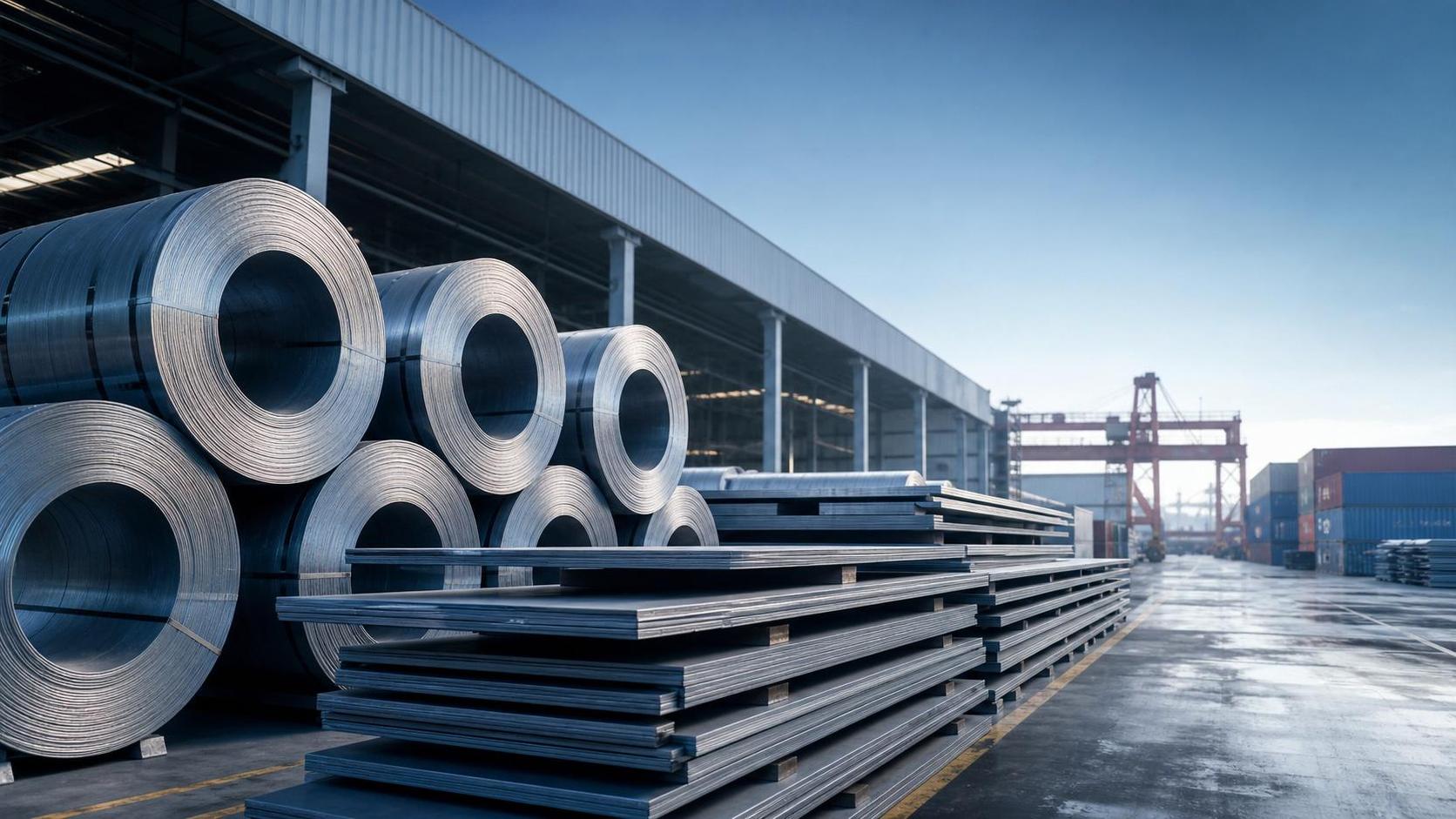
On June 25, 2026, Japan moved its anti-dumping investigation on hot-rolled steel from mainland China, Taiwan and South Korea into the final ruling stage, with a formal decision expected before the end of July. For importers and downstream users tied to automotive, home appliance and construction demand, this matters because a tariff of up to 79% could take effect from August if the preliminary view is maintained, raising immediate questions around Q3 procurement costs, delivery timing and contract execution.
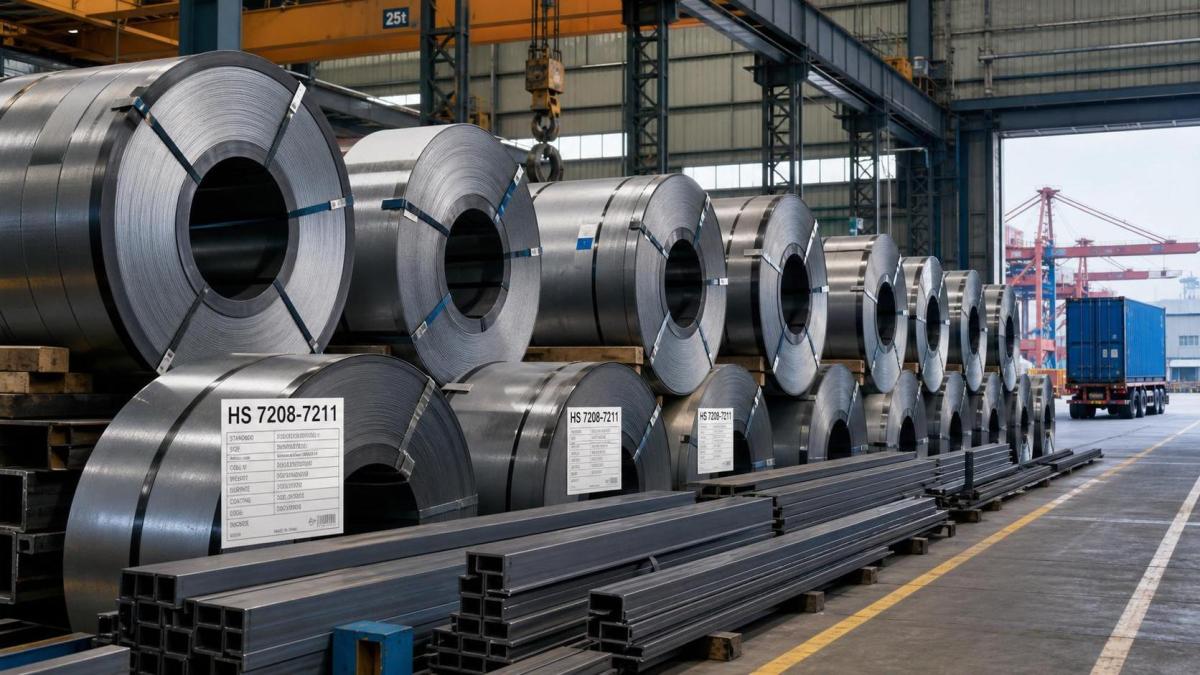
What Japan has formally announced so far
According to the June 25, 2026 announcement by Japan's Ministry of Economy, Trade and Industry, the anti-dumping case covering hot-rolled steel has entered its final determination process. The investigation concerns products from mainland China, Taiwan and South Korea, and the official ruling is expected by late July.
The announced scope covers the full HS code range of 7208 to 7211. If the preliminary determination is upheld, anti-dumping duties of up to 79% would apply from August. The measure does not provide separate company-specific rates for Chinese exporters, meaning all Chinese exporters would be subject to the same treatment under the announced framework.
Where the business impact may appear first
Import purchasing is the most immediate pressure point
From an industry perspective, direct importers of hot-rolled coil are likely to face the earliest operational impact because the possible duty would affect landed cost calculations and order timing for Q3. What deserves closer attention is not only price exposure, but also whether buyers delay, rush or restructure purchasing decisions ahead of the final ruling.
Manufacturers may need to reassess production-linked sourcing
For manufacturers in automotive, home appliances and construction-related applications, the issue is less about the trade case itself and more about raw material continuity. Analysis shows that any duty at the level signaled in the announcement could influence procurement budgets, production scheduling and supplier coordination where imported hot-rolled products are part of regular input planning.
Supply chain service providers could see changes in delivery planning
Logistics, trading and supply chain coordination teams may also need to monitor the case closely. Observably, when a final ruling is pending and a possible August implementation date is in view, shipment timing, customs planning and customer communication can become more sensitive, especially for orders already being arranged for the third quarter.
What companies should watch before the final decision
Track the final wording, not just the headline rate
Analysis shows that the most important near-term variable is the formal text expected before the end of July. Companies should focus on whether the final decision keeps the preliminary approach unchanged, especially the announced product scope under HS 7208-7211, the timing of implementation and the uniform treatment for Chinese exporters.
Review exposure by product and shipment window
Businesses handling hot-rolled products should map which current or planned orders fall within the covered HS range and whether delivery or customs clearance could overlap with the possible August start of duties. This is a practical distinction between policy attention and actual commercial exposure.
Recheck contract terms and customer communication
For procurement teams and traders, it is worth reviewing how pricing terms, delivery obligations and risk allocation are handled in current orders. What deserves closer attention is whether customers and suppliers share the same understanding of timing, duty exposure and possible changes to lead times if the final ruling confirms the preliminary position.
Keep documentation and supplier records aligned
Because the measure is described as covering a broad HS range and applying uniformly to Chinese exporters, companies should ensure internal product classification, shipment documents and supplier records are consistent. This does not change the ruling itself, but it can affect how smoothly businesses respond once the final decision is published.
Why this is still a live development, not a closed outcome
Observably, this update is significant because the case has entered the final determination stage, which brings the issue much closer to actual business impact. At the same time, it is more appropriate to understand this as a live regulatory development rather than a fully settled market outcome, since the formal ruling is still pending until late July.
From an industry perspective, the signal is strong enough to influence planning, but not yet strong enough to treat every projected impact as confirmed. The combination of broad HS coverage, a possible duty of up to 79% and the absence of separate Chinese exporter rates makes this case especially relevant for companies that depend on predictable sourcing and Q3 order execution.
How to read the current signal
The immediate industry meaning of this development lies in its timing and scope: it arrives ahead of August, it covers a full range of hot-rolled steel HS codes, and it points directly to cost and delivery implications for import-dependent users. A neutral reading is that companies should prepare for potential disruption in purchasing and scheduling, while still treating the final late-July decision as the key trigger for any confirmed response.
It is more appropriate to understand this as a near-term decision point with broader policy implications, rather than as a completed market shift. Continued attention is warranted because the difference between a pending final ruling and an implemented duty is commercially significant.
Basis of this report and what still needs verification
This article is generated based on the user-provided news title, event date and event summary. The confirmed facts used here are limited to the stated June 25, 2026 announcement, the final determination timetable, the possible tariff level, the covered HS codes and the indicated impact areas.
For developments of this kind, relevant source categories typically include official government announcements, company disclosures, industry association updates, authoritative media reports and trade or customs-related documentation. A specific official source link was not provided in the input, so the exact published document should continue to be verified. The main follow-up focus is the formal ruling expected by late July and whether the final text changes the preliminary approach on scope, rate or implementation timing.

Fill in the information
NOW.
Our staff will contact you as soon as possible