
NEWS CENTER

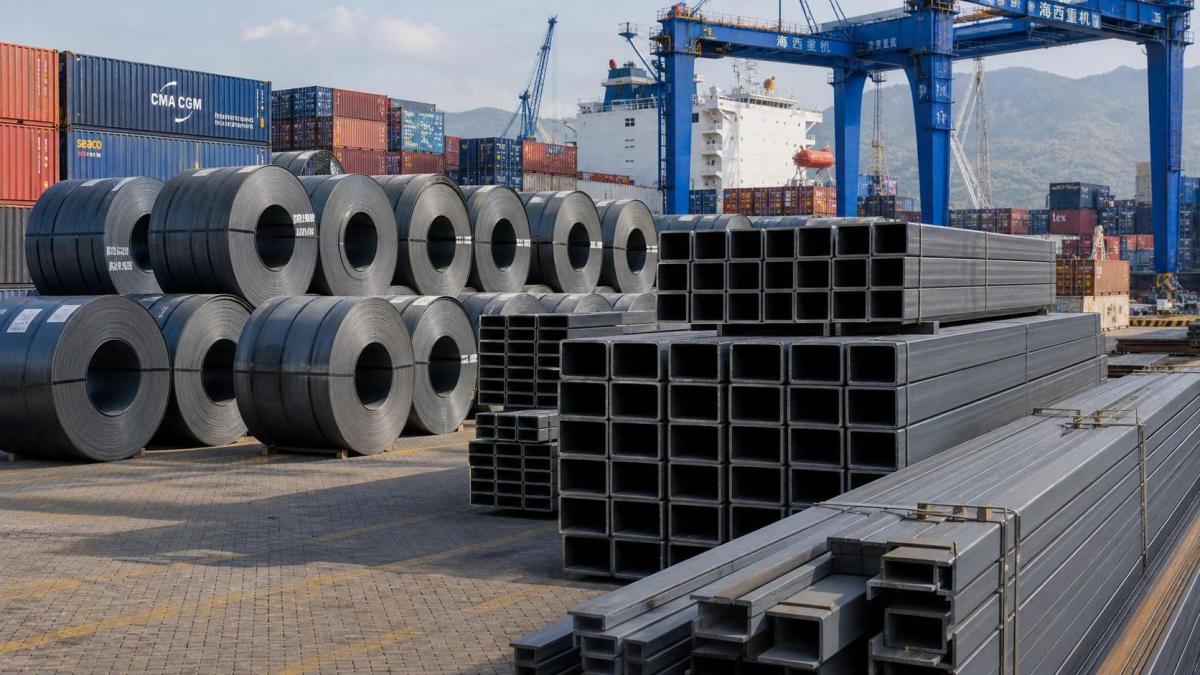
On July 2, 2026, the U.S. Department of Commerce initiated an expedited review under the anti-dumping order covering hot-rolled steel coil from China, identified under HS 7208 and 7211. The move matters beyond primary steel trade because it reaches into downstream export activity tied to hot-rolled coil, especially cold-formed sections and structural steel products, where customs timing, cash deposits, and longer-term pricing arrangements for the U.S. market may all come under closer pressure.
What the new review formally covers
According to the information provided, the review was opened following an application from the domestic industry in the United States. It concerns the anti-dumping duty order on hot-rolled steel coil originating in China and is being conducted as an expedited review. The stated focus is on whether certain companies qualify for separate rates and whether their export transactions meet compliance requirements. The information provided also states that this action will directly affect downstream exporters using hot-rolled coil as an input, including producers of cold-formed profiles and structural steel products, in relation to U.S. customs clearance timing, deposit payments, and long-term pricing strategy.
Where pressure may appear across the export chain
Exposure is not limited to coil exporters
From an industry perspective, the development may affect not only direct exporters of hot-rolled coil but also manufacturers whose products are made from that material. For downstream suppliers of cold-formed sections or structural steel, the issue is that a trade review at the raw material level can still influence how shipments into the U.S. are handled and assessed in practice.
Customs and trade execution may become a near-term concern
Analysis shows that companies involved in shipping, documentation, and customs coordination may need to pay closer attention to clearance timing. The information provided specifically points to U.S. customs clearance efficiency as an area of direct impact, which means exporters, trading companies, and supply chain service providers may face tighter execution requirements around shipment planning and transaction support.
Pricing and cash-flow planning may need adjustment
What deserves closer attention is the link between compliance review and commercial terms. The information provided highlights deposit payments and long-term pricing strategy, suggesting that firms selling into the U.S. market may need to reassess how they structure quotations, contract duration, and margin assumptions while the review remains active.
What companies should monitor now
Watch the official wording around separate-rate treatment
Because the review is focused in part on separate-rate eligibility for certain companies, exporters and related manufacturers should track how future official statements frame that issue. In practical terms, this is relevant for firms whose U.S.-bound business depends on the treatment applied to specific export entities rather than only to the product category in general.
Review transaction records and compliance support materials
The information provided identifies export transaction compliance as a central review point. That makes documentation quality, transaction consistency, and supporting records more important for businesses participating in affected trade flows. The immediate issue is not a broad management concept but whether commercial and shipping documentation can support the relevant treatment under review.
Separate policy signal from operational impact
Observably, there is a difference between the launch of a review and the final commercial outcome for each business. Companies should therefore distinguish between the policy signal itself and the way it affects current bookings, customs handling, and customer commitments. This matters particularly for suppliers serving the U.S. market through longer lead-time orders.
Prepare for customer and supplier communication needs
For firms supplying products made from hot-rolled coil, it would be practical to review how they communicate with U.S. customers and upstream suppliers about delivery timing, deposit-related exposure, and contract assumptions. Analysis shows that the most immediate business issue may be coordination across procurement, production, shipping, and customer-facing teams rather than any single isolated decision.
Why this should be read as a live trade signal
This section is analysis. It is more appropriate to understand the July 2 action as an active trade-policy signal rather than a completed market outcome. The review indicates that separate-rate treatment and transaction compliance remain live issues in this product chain, and that downstream manufacturers tied to hot-rolled coil cannot treat the matter as affecting only upstream steel exporters. At the same time, the information provided does not establish a final result, so the development should be watched as an evolving process rather than read as a settled shift in market conditions.
How to frame the current development
At this stage, the industry significance lies in the scope of commercial exposure. A review aimed at hot-rolled coil can extend its practical effect into cold-formed and structural steel export activity through customs timing, deposit requirements, and contract planning. The most balanced reading is that this is a near-term operational issue with possible longer-term implications, but not yet a definitive end-state for the affected supply chain.
Basis of this article and points for further verification
This article is based on the user-provided news title, event date, and event summary. For developments of this type, commonly relevant source categories may include official government notices, company disclosures, industry association updates, authoritative media coverage, and standard-setting or trade-related documents. A specific official source link was not provided in the input, so further verification remains necessary. Continued attention should focus on subsequent official wording, any clarification on separate-rate treatment, and any practical guidance affecting customs clearance, deposit obligations, and export transaction compliance.

Fill in the information
NOW.
Our staff will contact you as soon as possible