
NEWS CENTER
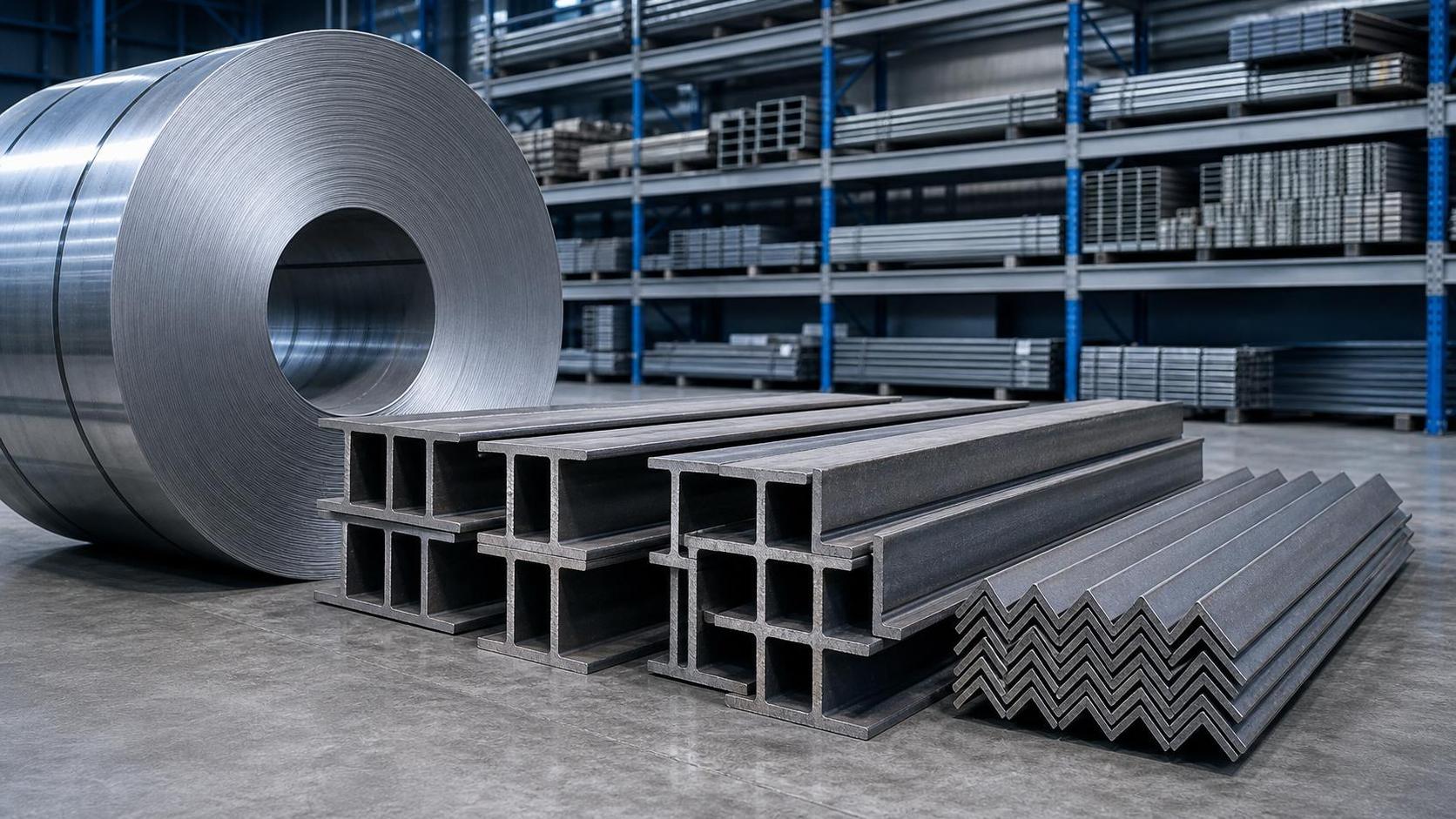
On July 8, 2026, the U.S. Department of Commerce announced a second Sunset Review of the anti-dumping duty order on hot-rolled steel coil from China under HS 7208/7225, while also opening a review of the related countervailing duty order. Because hot-rolled coil is a core upstream input for structural sections such as H-beams, I-beams, and angle steel, this development deserves close attention from Chinese profile exporters, U.S.-bound order managers, and overseas distributors evaluating inventory and delivery plans. The review matters not only for tariff continuity, but also for how quickly export orders can be confirmed and priced in the coming period.
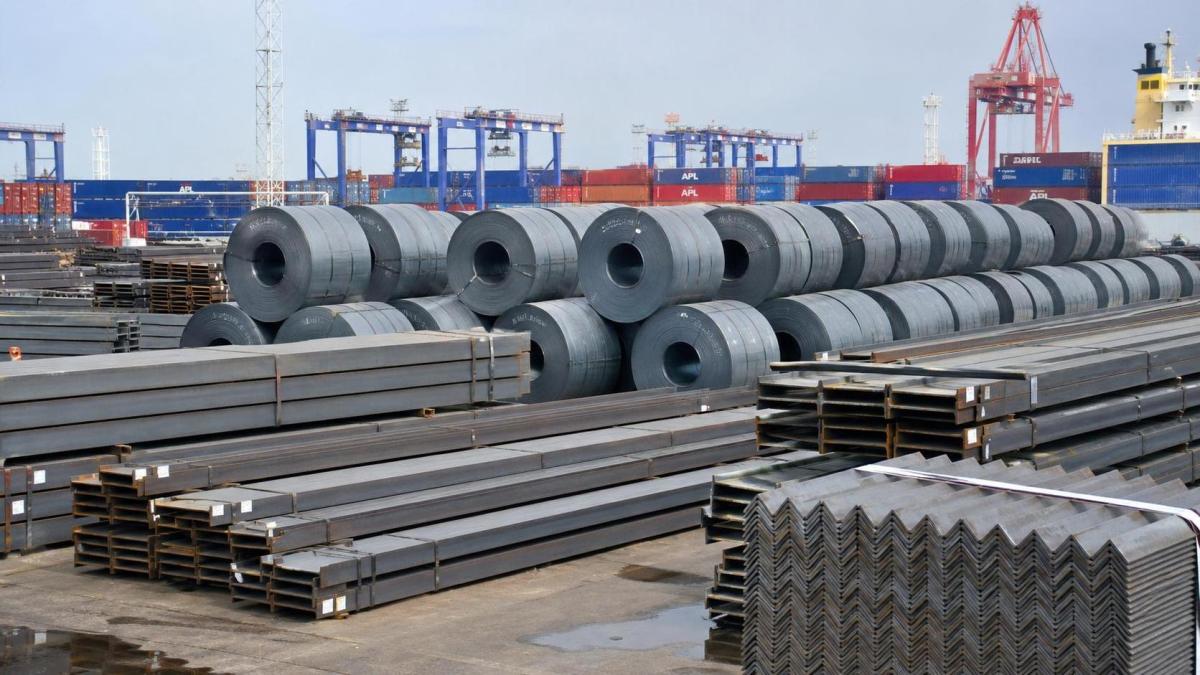
What Has Been Officially Announced
The confirmed facts are limited but commercially significant. The U.S. Department of Commerce formally initiated the second Sunset Review of the anti-dumping duty order covering Chinese hot-rolled steel coil on July 8, 2026. At the same time, it initiated a review of the corresponding countervailing duty order. The product scope referenced in the input covers HS 7208 and 7225.
The reviewed product is described as a key upstream raw material for structural steel products, including H-beams, I-beams, and angle steel. According to the provided information, the outcome of the review will determine whether the current combined anti-dumping and countervailing duty rates, reaching as high as 126.8%, will remain in place for the next five years.
Where the Supply Chain May Feel the Pressure First
Export-facing profile manufacturers
From an industry perspective, the most direct impact may fall on Chinese manufacturers of structural sections that depend on hot-rolled coil as an upstream material and serve the U.S. market. The reason is straightforward: if the existing duty framework continues, export cost assumptions and customer quotations tied to the U.S. market remain under pressure. The affected business links are likely to include pricing, order acceptance, and shipment scheduling.
Traders and distributors managing U.S.-bound inventory
Overseas distributors and trading companies may be affected because the review creates uncertainty around future landed cost expectations. Analysis shows that this does not by itself change the duty result yet, but it can influence inventory timing, replenishment decisions, and how much stock market participants are willing to hold before the review direction becomes clearer.
Procurement and supply chain coordination teams
Procurement teams, order coordinators, and supply chain service providers may also need to pay closer attention. The main issue is not only tariff exposure, but also the order confirmation cycle. When a key upstream material becomes linked to a live trade remedy review, documentation, internal approvals, and customer-side signoff can slow down as parties reassess delivery and cost assumptions.
Practical Points Companies Should Watch Now
Follow the official review process closely
What deserves closer attention is the wording and timing of subsequent official communications. The current announcement confirms that the reviews have been initiated, but companies should distinguish between the launch of a review and the final outcome. For commercial planning, that distinction matters because policy process and executable business decisions do not move at the same speed.
Recheck product exposure in affected business lines
Companies involved in H-beams, I-beams, angle steel, or related structural sections should review where hot-rolled coil sits in their export chain and customer commitments. The practical question is whether U.S.-linked business depends on upstream cost assumptions that could become harder to lock in during the review period.
Prepare order, document, and communication workflows
Analysis shows that firms may need tighter coordination across sales, procurement, logistics, and compliance functions. Areas worth checking include quotation validity periods, supporting product documentation, internal approval timing, and how delivery commitments are communicated to customers and distributors when review-related uncertainty affects decision speed.
Separate policy signals from immediate execution
It is more appropriate to understand this as a policy process with operational implications, rather than as an immediate change in trade terms. That means businesses should avoid treating the initiation itself as a final result, while still using it as a signal to test contingency plans for supply, delivery windows, and inventory positioning.
Why This Is More of a Signal Than a Conclusion
Observably, this development is not yet a new tariff outcome; it is the reopening of a formal review process that will determine whether the current duty regime continues. That distinction is important for the industry. The immediate meaning lies in renewed uncertainty around U.S.-related structural steel supply chains that depend on hot-rolled coil, especially where order confirmation and inventory decisions are sensitive to tariff continuity.
Analysis shows that the item is better read as a medium-term signal with near-term operational consequences. It does not by itself establish a new market condition today, but it does justify closer monitoring by manufacturers, traders, and distributors whose commercial decisions depend on predictable cost and lead-time assumptions.
How the Market May Best Read This Development
At this stage, the industry significance of the review lies in its reach across the upstream-to-export chain. A review focused on hot-rolled coil can extend beyond coil sellers themselves because structural section manufacturers, overseas channels, and supply chain operators all depend on the stability of upstream trade conditions. The most balanced reading is that this is a live policy development with clear business relevance, but not yet a confirmed end result. Continued observation is more appropriate than premature conclusions.
Basis of This Article
This article is based on the user-provided news title, event date, and event summary. For developments of this type, relevant source categories usually include official government notices, company disclosures, industry association updates, authoritative media reporting, and standard or trade-related reference documents. No specific official source link was provided in the input, so the exact source document still requires ongoing verification. The main follow-up point to watch is any subsequent official statement that clarifies whether the current duty framework, including rates cited as high as 126.8%, will be extended for the next five years.

Fill in the information
NOW.
Our staff will contact you as soon as possible