

On August 3, 2026, the U.S. Commerce Department opened a countervailing duty investigation into imports of hot-rolled steel products from China, identified as case C-570-123. The filing matters beyond the immediate trade action because it introduces a new compliance and cost variable for companies handling hot-rolled plate, coil, and structural products, especially where procurement, customs documentation, supplier qualification, and delivery planning depend on continued access to these product categories in North America and Latin America.
What Has Been Formally Put in Motion
The confirmed facts are limited but commercially important. The investigation was formally initiated on August 3, 2026, and it covers Chinese hot-rolled steel products including plate, coil, and structural hot-rolled steel. The review will assess whether Chinese exporters received government subsidies. The case may lead to a preliminary decision within 90 days and could result in temporary countervailing duties. Based on the event summary provided, the development directly affects procurement costs and customs compliance pathways for importers serving North American and Latin American markets.
Where the Pressure Is Likely to Appear First
Import purchasing teams may face immediate sourcing adjustments
From an industry perspective, importers and direct buyers are likely to feel the earliest impact because a possible temporary duty changes landed-cost assumptions before longer-term sourcing decisions can stabilize. What deserves closer attention is not only price exposure, but also whether current supplier approvals, product classifications, and shipment timing still fit internal purchasing controls and contract expectations.
Exporters and trading companies will be pushed toward tighter document control
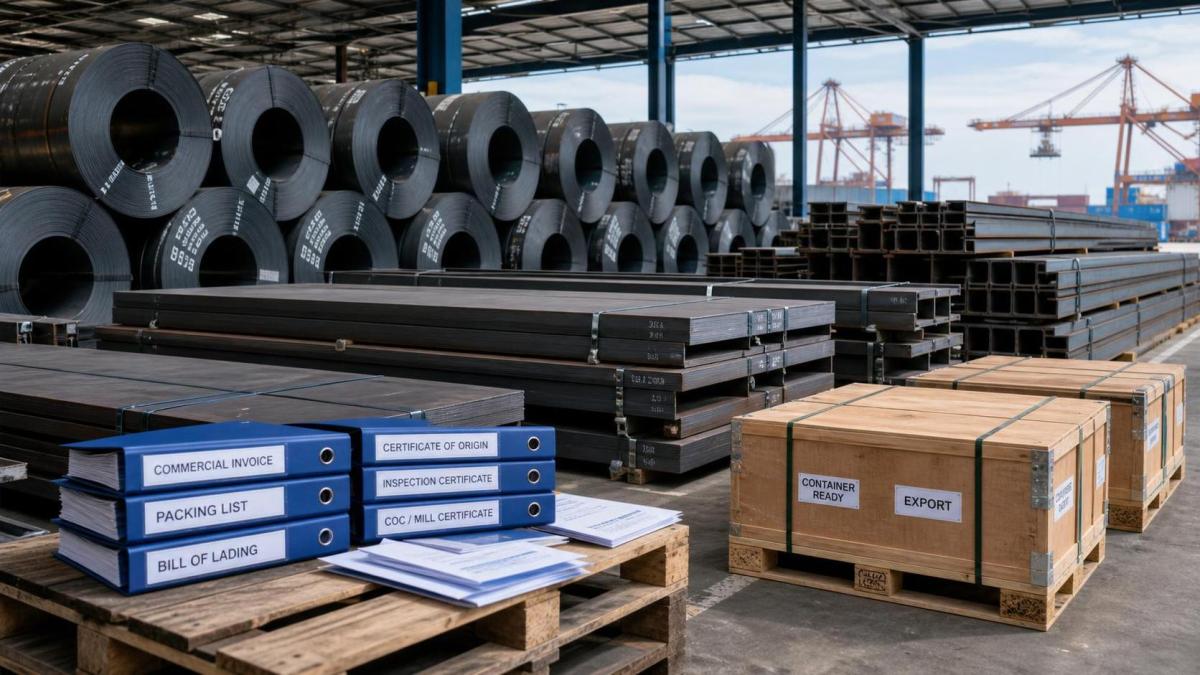
Analysis shows that exporters and intermediaries handling covered hot-rolled steel products may need closer internal review of origin-related files, commercial documentation, and supplier qualification records. The event summary specifically points to renewed scrutiny of supplier credentials and origin documents, which means documentation quality may become as important as pricing in cross-border transactions tied to the affected product scope.
Supply chain service providers may see compliance workloads increase
Customs brokers, logistics coordinators, and other supply chain service providers may need to re-check filing logic, shipment documentation, and delivery sequencing for affected cargo. Observably, when a trade case introduces possible temporary duties within a short time frame, customs clearance planning and shipment handover processes become more sensitive to document completeness and product scope interpretation, even before any final outcome is known.
Downstream manufacturers and distributors may need contingency planning
Processors, fabricators, and distribution channels that rely on imported hot-rolled plate, coil, or structural sections may need to revisit procurement continuity. Analysis shows that the issue is not only whether costs rise, but whether alternative supply arrangements, substitute suppliers, or revised purchase timing are needed to keep delivery commitments workable under a changing trade compliance environment.
What Companies Should Watch Now
Re-check supplier qualification against the new trade risk
It is more appropriate to understand this stage as a trigger for renewed supplier review rather than a settled trade outcome. Companies dealing in the covered products should examine whether current suppliers remain acceptable under internal compliance standards once subsidy review risk and possible temporary duties are factored into approvals and purchasing decisions.
Review origin files and transaction records before shipment pressure builds
Analysis shows that origin-related paperwork deserves early attention. Since the event summary identifies origin documents as a practical risk point, companies should focus on whether commercial records, supporting declarations, and shipment files are complete and consistent enough to support customs handling if enforcement expectations tighten during the investigation period.
Stress-test procurement and delivery schedules
What deserves closer attention is the timing risk around a potential preliminary decision within 90 days. That does not confirm a duty outcome, but it does create a planning window in which buyers, traders, and logistics teams may need to test how current delivery schedules, purchase commitments, and inventory assumptions would perform if temporary duties alter cost or clearance timing.
Prepare for changes in tender and customer-facing documentation
Observably, when a trade case directly affects product origin and import cost assumptions, bid documents, sourcing justifications, and customer compliance responses may need revision. Companies involved in regulated procurement or formal supplier onboarding should therefore monitor whether counterparties begin asking for updated product, source, or qualification information tied to the affected hot-rolled steel categories.
Why This Looks More Like an Execution Signal Than a Final Outcome
Analysis shows that this development should currently be read as an active enforcement and review signal, not as a completed rule outcome. The investigation has been initiated, and the possibility of a preliminary temporary duty within 90 days gives the market a concrete reason to act on compliance and sourcing reviews now. At the same time, the actual execution path still requires continued observation, because the provided information does not establish a final finding, a confirmed duty rate, or a settled long-term market impact.
How the Market Should Read the Development
At this stage, the event is best understood as a trade-rule development with near-term operational consequences rather than a closed regulatory result. The practical significance lies in the need for importers, exporters, procurement teams, and supply chain operators to reassess documentation, supplier standing, and sourcing resilience around covered hot-rolled steel products. A measured reading is more appropriate than a definitive one: the rule signal is real, while the final commercial effect still depends on how the investigation proceeds and how market participants respond.
Basis of This Article and What Still Needs Verification
This article is based on the user-provided news title, event date, and event summary. For developments of this kind, market participants would normally track source types such as official notices, releases from regulatory authorities, customs or trade administration information, industry association updates, standards-related documents, and reporting from established media outlets. No specific official source link was provided in the input, so the precise official reference still needs to be verified on an ongoing basis. Observably, the areas that still require continued monitoring include later official wording, enforcement interpretation, changes in tender or procurement documents, evolving compliance expectations, industry feedback, and how companies adjust execution in response to the investigation.

Fill in the information
NOW.
Our staff will contact you as soon as possible