

In November 2026, Japan-based electric arc furnace steelmaker Tokyo Steel announced a price increase of JPY 3,000 per ton, or approximately USD 19 per ton, for products including hot-rolled coils, reinforcing bars, and H-beams. Although the information provided does not identify a new law, regulation, standard, or certification requirement, the decision is relevant to procurement, trade, processing, distribution, and delivery planning because it signals continued pressure from higher production costs and expected demand.
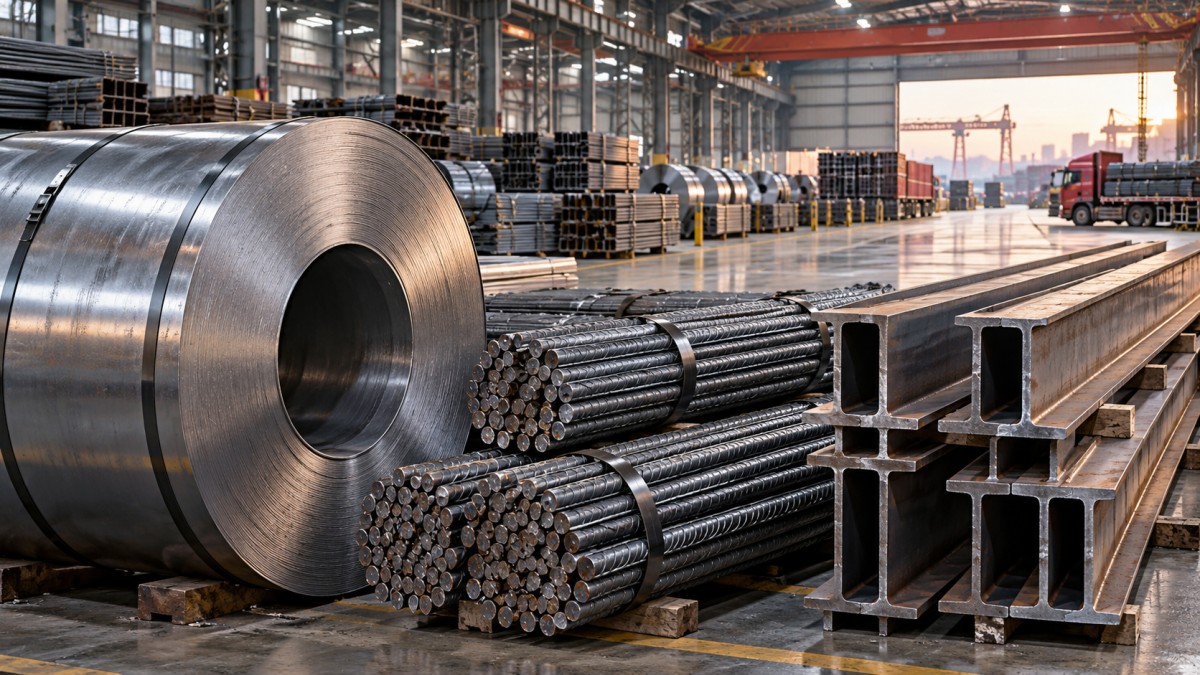
Tokyo Steel Sets a Higher November Price Point
Tokyo Steel announced that steel products sold in November 2026 would be priced JPY 3,000 per ton higher, equivalent to approximately USD 19 per ton. The products covered by the announcement include hot-rolled coils, reinforcing bars, and H-beams.
The company attributed the adjustment to rising production costs and demand expectations. The announcement indicates that cost pressure is being passed through to downstream steel buyers, but the information provided does not specify any related policy document, regulatory measure, certification change, or formal trade rule.
Where the Price Signal May Affect Commercial Execution
Procurement teams may need to revisit quotation assumptions
From an industry perspective, buyers of hot-rolled coils, reinforcing bars, and H-beams may need to review purchase budgets, supplier quotations, and price validity periods. The possible impact is most direct where contracts or tenders use open pricing, short quotation windows, or shipment terms linked to the selling month. This is an analytical assessment rather than a confirmed contractual requirement.
Processors and manufacturers could face tighter cost coordination
For processing and manufacturing companies, a higher input price may affect material cost calculations, production quotations, and the timing of purchase orders. Analysis suggests that businesses may need to align material purchasing with production schedules and customer delivery commitments more closely, particularly when finished-product prices have already been agreed.
Distributors and trading companies may need clearer transaction records
Distributors and direct trading companies could see greater importance placed on the price basis, effective sales month, product category, and delivery terms stated in commercial documents. Where goods move across borders, companies should also verify that invoices, purchase orders, packing documents, and other transaction records consistently reflect the agreed product price and delivery arrangement. The provided information does not confirm any new customs or trade-compliance rule.
Practical Checks Before November Transactions
Confirm the effective scope of each quotation
Companies should check whether the JPY 3,000-per-ton adjustment applies to their intended product, sales month, order date, and delivery schedule. If the relevant commercial terms are not yet clear, buyers may wish to seek written confirmation from the supplier before finalizing procurement or resale quotations.
Review supply plans and delivery commitments
Procurement and supply-chain teams may consider assessing the effect of the announced increase on planned volumes, inventory timing, and customer delivery commitments. This does not establish a mandatory change to delivery procedures, but early review could help identify cases where the material price and the agreed sales price are no longer aligned.
Keep technical and transaction documents consistent
For projects involving hot-rolled coils, reinforcing bars, or H-beams, companies should verify that purchase orders, technical specifications, inspection records, and delivery documents refer to the same product scope and commercial basis. The information provided does not identify a new certification or inspection requirement, so any additional document request should be confirmed through the relevant contractual or project channel.
What the Announcement Signals at This Stage
Analysis suggests that the announcement is best understood as a commercial execution signal showing how production-cost pressure and demand expectations may influence steel pricing. It is not, based on the supplied information, evidence of a newly implemented regulatory or certification regime.
The next factors requiring observation include how suppliers communicate the revised prices, whether buyers accept or negotiate the adjustment, how contracts treat the November selling period, and whether downstream companies reflect the change in quotations and procurement plans. The available information does not establish the final market response or the extent of any broader price movement.
A Manageable Change That Requires Contract-Level Attention
Tokyo Steel's November increase provides a concrete reference point for companies purchasing or selling the affected steel products. Its immediate relevance lies in price verification, purchasing timing, quotation management, and delivery coordination. At present, businesses should treat it as a confirmed supplier price adjustment and an industry signal, while continuing to monitor commercial execution and downstream feedback before drawing broader conclusions about market-wide effects.
Basis of This Article and Further Verification
This article was prepared solely from the supplied information: the news title, the November 2026 event date, and the event summary concerning Tokyo Steel's price increase. No specific official source link was provided in the input, so the announcement and its implementation should be further verified through applicable official announcements, company communications, industry association information, trade-related materials, or other authoritative reporting.
Further monitoring may be required for supplier implementation, contract treatment, trade execution, procurement responses, and industry feedback. The supplied information does not provide a policy number, regulatory notice, certification document, or detailed execution guidance.

Fill in the information
NOW.
Our staff will contact you as soon as possible