
NEWS CENTER
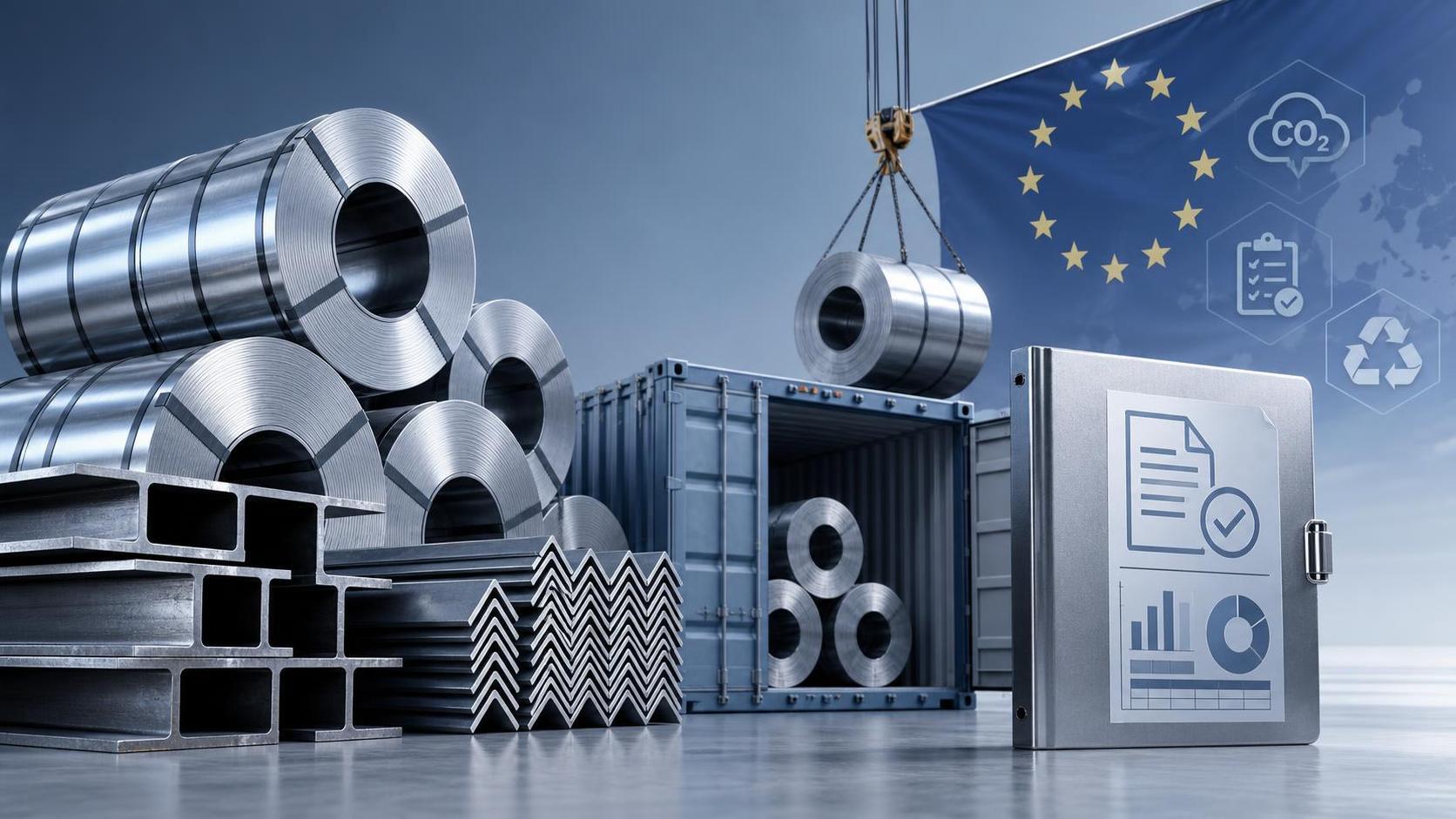
On July 25, 2026, the EU moved the transitional phase of CBAM for steel into a stricter reporting stage: exporters shipping steel and structural steel products into the EU must now file monthly carbon emissions data through the CBAM portal. For companies involved in steel exports to Europe, the change is not just a compliance update. It directly touches customs clearance, market access, delivery scheduling, cost calculation, and coordination with customers and upstream suppliers.
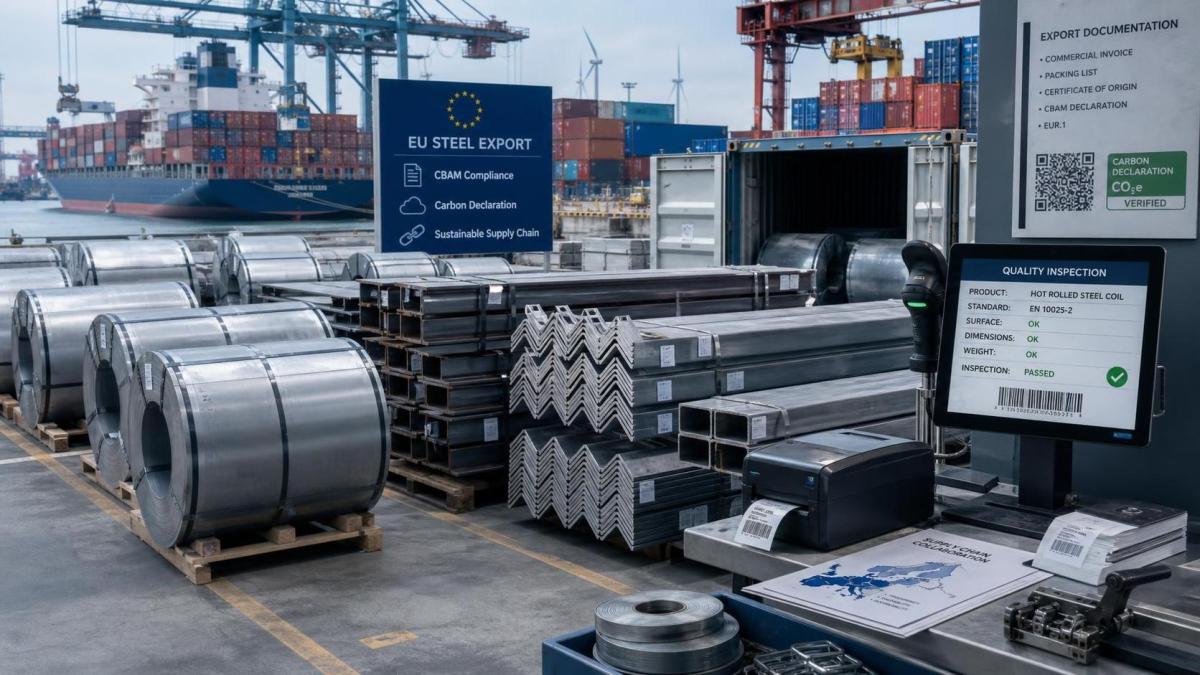
What Has Changed in the Transitional Phase
According to the provided information, from July 25, 2026, the second stage of the EU CBAM transitional period applies to all steel and section products exported to the EU, including hot-rolled coil, H-beams, and angle steel. Monthly carbon emissions declarations must be submitted through the CBAM portal.
The reporting scope covers emissions data linked to upstream iron ore smelting, coke production, and rolling processes. The same information also states that non-compliant reporting may affect customs clearance and access to the EU market.
The requirement is described as having a direct impact on Chinese steel exporters, especially in relation to delivery rhythm to Europe, cost accounting, and customer-side coordination for certification processes.
Where the Pressure Will Be Felt First
Export transactions now depend more heavily on emissions documentation
From an industry perspective, direct exporters are likely to feel the most immediate impact because monthly reporting becomes part of the practical export process. The issue is no longer limited to product shipment alone; it also involves whether the required emissions information can be assembled and submitted in time for continued market access and smooth customs handling.
Upstream data collection becomes part of the trade workflow
Analysis shows that the reporting scope reaches beyond the final steel product itself. Because the declaration covers iron ore smelting, coke production, and rolling, upstream supply-chain participants may face higher pressure to provide usable emissions data to exporters. The operational challenge is likely to center on data handover, consistency, and timing rather than on commercial terms alone.
Customer coordination may become more time-sensitive
What deserves closer attention is the customer-facing side of the process. Since the provided information specifically notes an effect on coordinated certification procedures, companies serving EU buyers may need tighter communication around documentation, reporting cycles, and shipment timing. For distributors, processors, and supply-chain service providers, delays in one part of the reporting chain could spill over into delivery commitments.
What Companies Should Watch Now
Monthly filing discipline rather than one-off preparation
The key practical point is that the requirement is monthly. Companies involved in EU-bound steel shipments should pay close attention to whether their internal workflow can support repeated, schedule-based submissions rather than occasional compliance checks.
Product scope and shipment matching
Another area to monitor is the alignment between covered product categories and actual export orders. The provided information names products such as hot-rolled coil, H-beams, and angle steel, which means businesses should pay attention to whether order classification, shipment records, and reporting materials remain consistent throughout the export process.
Coordination with upstream suppliers and EU customers
Observably, this requirement places more weight on document readiness across multiple parties. Exporters may need to follow more closely whether upstream suppliers can support emissions-related data collection and whether EU customers require synchronized confirmation for compliance-related submissions.
The gap between rule adoption and operational execution
It is more appropriate to understand this stage as an operational compliance issue as much as a policy issue. Even where companies understand the rule itself, the real pressure may lie in whether reporting, customs handling, cost calculations, and delivery arrangements can stay aligned in day-to-day business.
Why This Looks Like More Than a Routine Update
Analysis shows that this development signals a deeper integration of carbon reporting into steel trade execution with the EU. The immediate confirmed fact is the reporting obligation itself, but the broader implication is that carbon data is becoming part of the shipment process, not a separate background matter.
At the same time, this should be read carefully. The provided information confirms stricter transitional reporting and its possible effect on customs clearance and market access, but it does not by itself establish a full long-term market outcome. For that reason, this is better understood as a concrete near-term compliance shift and a continuing policy signal that still requires close observation in practice.
How to Read the Current Stage
At this point, the most balanced reading is that the July 25, 2026 change marks a real tightening of CBAM-related reporting for steel exports to the EU. Its significance lies in how directly it connects emissions declarations with access to cross-border trade flows. For the industry, the issue is not simply whether the rule exists, but how consistently companies can manage the associated data, timing, and coordination demands.
It is more appropriate to understand this as both a short-term operational adjustment and a longer-term signal. The immediate task is compliance during the transitional stage; the broader industry meaning will become clearer through implementation and follow-up rule interpretation.
Basis of This Article and What Still Needs Verification
This article is based on the user-provided news title, event date, and event summary. The confirmed facts used here come only from that provided material.
For this type of development, source categories that are usually relevant include official announcements, company disclosures, industry association updates, authoritative media coverage, and standard or regulatory documents. However, no specific official source link was provided in the input, so the exact official text and any later clarifications still need to be continuously verified.
Further attention should remain on any subsequent official wording, implementation guidance, and practical changes affecting reporting procedures, customs handling, and coordination requirements across the steel export chain.

Fill in the information
NOW.
Our staff will contact you as soon as possible