
NEWS CENTER
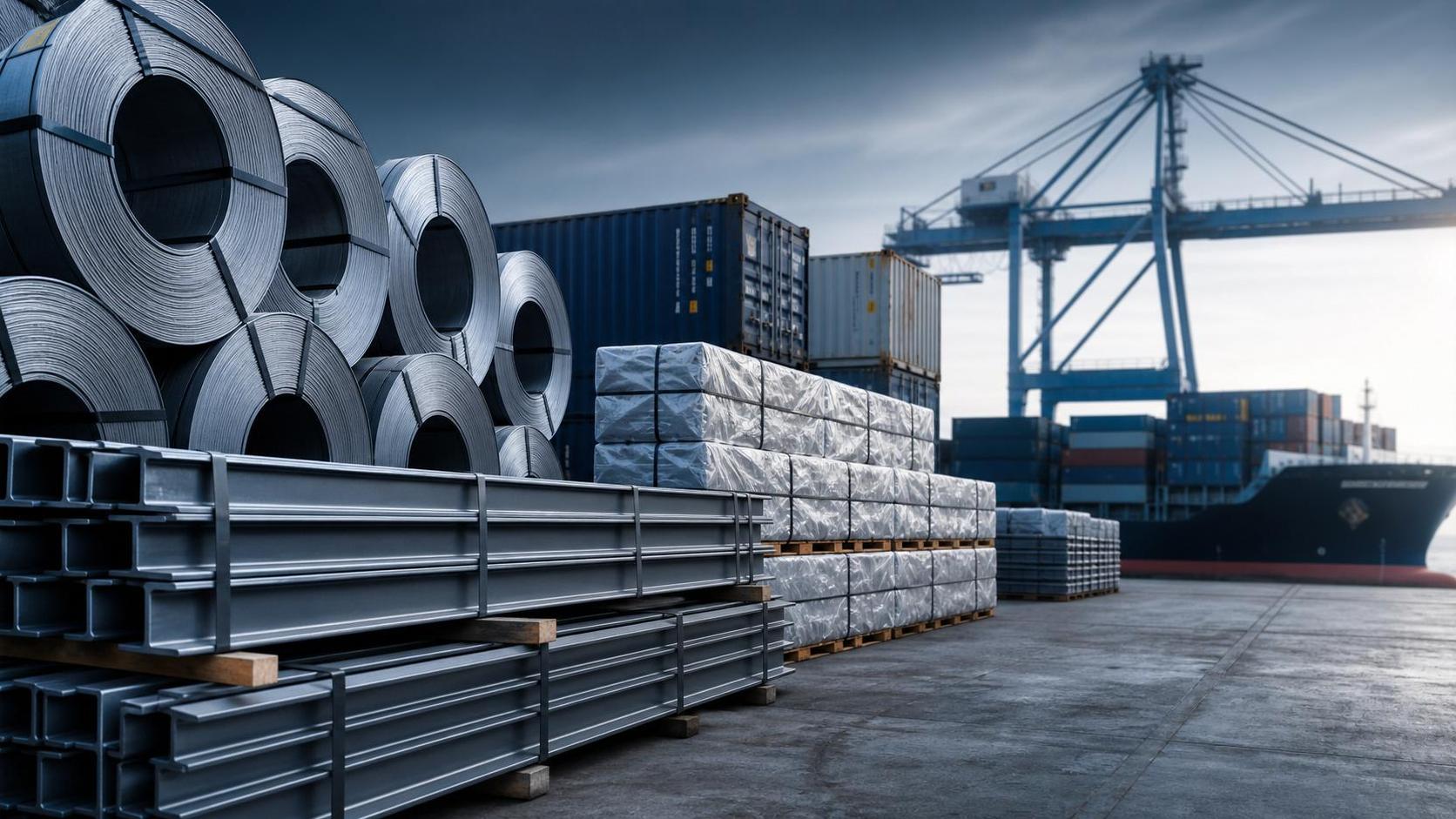
On June 1, 2026, Japan opened an anti-dumping investigation into hot-rolled steel products from mainland China, Taiwan, and South Korea, turning a trade case into an immediate business issue for importers, distributors, and supply chain operators tied to Japanese-standard material. For buyers in Southeast Asia, the Middle East, and Latin America in particular, the development matters not only because of possible tariff exposure, but also because it raises near-term questions around customs declarations, origin compliance, and alternative sourcing plans.
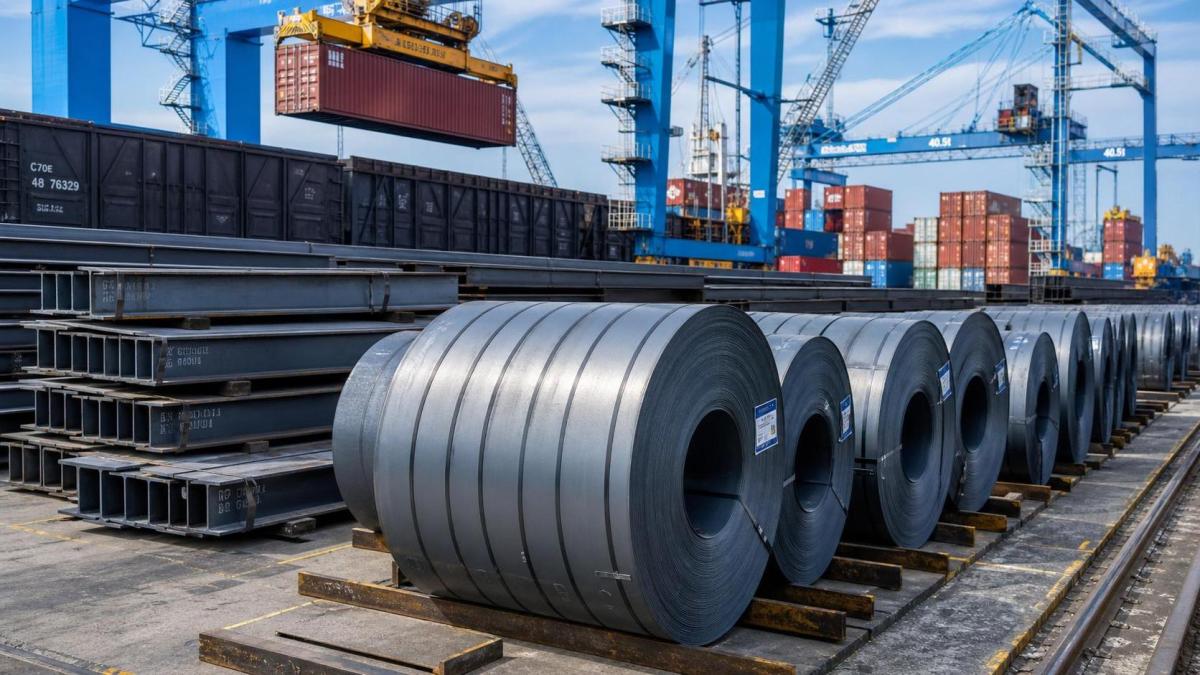
What Has Been Confirmed So Far
According to the information provided, Japan formally initiated the investigation on June 1, 2026. The case covers hot-rolled steel products from mainland China, Taiwan, and South Korea, and was jointly filed by four major Japanese steelmakers, including Nippon Steel and JFE. The investigation period covers April 2025 through March 2026. The supplied summary also indicates that the case may lead to high anti-dumping duties, with direct implications for imported material costs, compliance declarations, and sourcing decisions.
Where the Pressure May Appear First
Import trading desks face immediate cost uncertainty
From an industry perspective, direct trading companies are likely to feel the first impact because any potential duties could quickly change landed-cost calculations. What deserves closer attention is whether current purchase assumptions, customer quotations, and contract terms remain workable if trade measures tighten during or after the investigation period.
Distributors relying on Japanese-standard supply need source checks
Distributors in Southeast Asia, the Middle East, and Latin America that depend on imported hot-rolled steel aligned with Japanese standards may need to reassess supplier coverage. Analysis shows that the key issue is not only price exposure, but also whether substitute sources can meet specification, documentation, and continuity requirements without creating new compliance risks.
Compliance and logistics teams may see heavier document scrutiny
For supply chain service providers and internal compliance teams, the case raises the importance of origin declarations and supporting trade documents. Observably, once a formal anti-dumping investigation is underway, the practical pressure often centers on whether shipment records, supplier papers, and customs-facing documentation are consistent enough to support import decisions.
Downstream buyers may need earlier procurement decisions
Processors, manufacturers, and procurement teams purchasing imported hot-rolled steel may not be directly involved in the trade case, but they can still be affected through lead times, quotation validity, and supplier negotiations. What deserves closer attention is whether procurement cycles need to move earlier to avoid disruption if suppliers revise terms during the investigation window.
What Companies Should Watch Now
Track official wording, not only market reaction
Analysis shows that companies should distinguish between the confirmed launch of the investigation and any future trade outcome. The immediate task is to follow official statements and procedural updates carefully, because business decisions based only on market sentiment may create avoidable cost or compliance errors.
Review products and contracts tied to the covered supply flow
Businesses importing or reselling affected hot-rolled steel should identify which product lines, orders, and customer commitments are linked to supply from mainland China, Taiwan, or South Korea. This is especially relevant where pricing, delivery promises, or margin assumptions depend on a stable import route into Japan-related specifications.
Check origin documentation and supplier readiness
The supplied information specifically highlights origin compliance risk, making supplier qualification and document readiness a practical priority. Companies should focus on whether certificates, declarations, and shipment files are aligned with the actual source of goods, rather than treating origin review as a routine back-office task.
Prepare fallback sourcing and customer communication plans
Observably, firms with exposure to this trade flow should not wait for a final outcome before preparing alternatives. A reasonable near-term step is to map backup sources, estimate the effect on delivery and pricing, and communicate early with customers where procurement or contract execution could be affected.
Why This Looks More Like a Signal Than a Final Outcome
Analysis shows that this development is better understood as an active trade-policy signal rather than a completed market result. Japan has begun a one-year investigation, but the information provided does not establish a final duty decision. That makes the case important now because it changes risk management behavior before it necessarily changes the formal tariff structure. The most relevant industry takeaway at this stage is that companies exposed to these supply routes should treat the case as a live issue requiring monitoring, scenario planning, and tighter origin control.
How to Read the Development at This Stage
At present, this case is most appropriately understood as a material but still evolving industry development. The confirmed facts already justify closer attention from importers, distributors, procurement teams, and compliance functions, especially where Japanese-standard hot-rolled steel sourcing depends on the covered origins. A measured conclusion is that the announcement matters less as a headline alone and more as an early warning for cost, documentation, and sourcing decisions that may need adjustment over the coming investigation period.
Basis of This Article and What Still Needs Verification
This article is based on the user-provided news title, event date, and event summary. For this type of development, relevant source categories typically include official government announcements, company statements, industry association releases, authoritative media reporting, and related trade or standards documentation. No specific official source link was provided in the input, so the exact underlying notice and any later procedural updates still need ongoing verification. Continued attention should focus on future official wording, scope clarification, procedural milestones, and any changes that affect import costs, origin compliance, or sourcing decisions.

Fill in the information
NOW.
Our staff will contact you as soon as possible