
NEWS CENTER
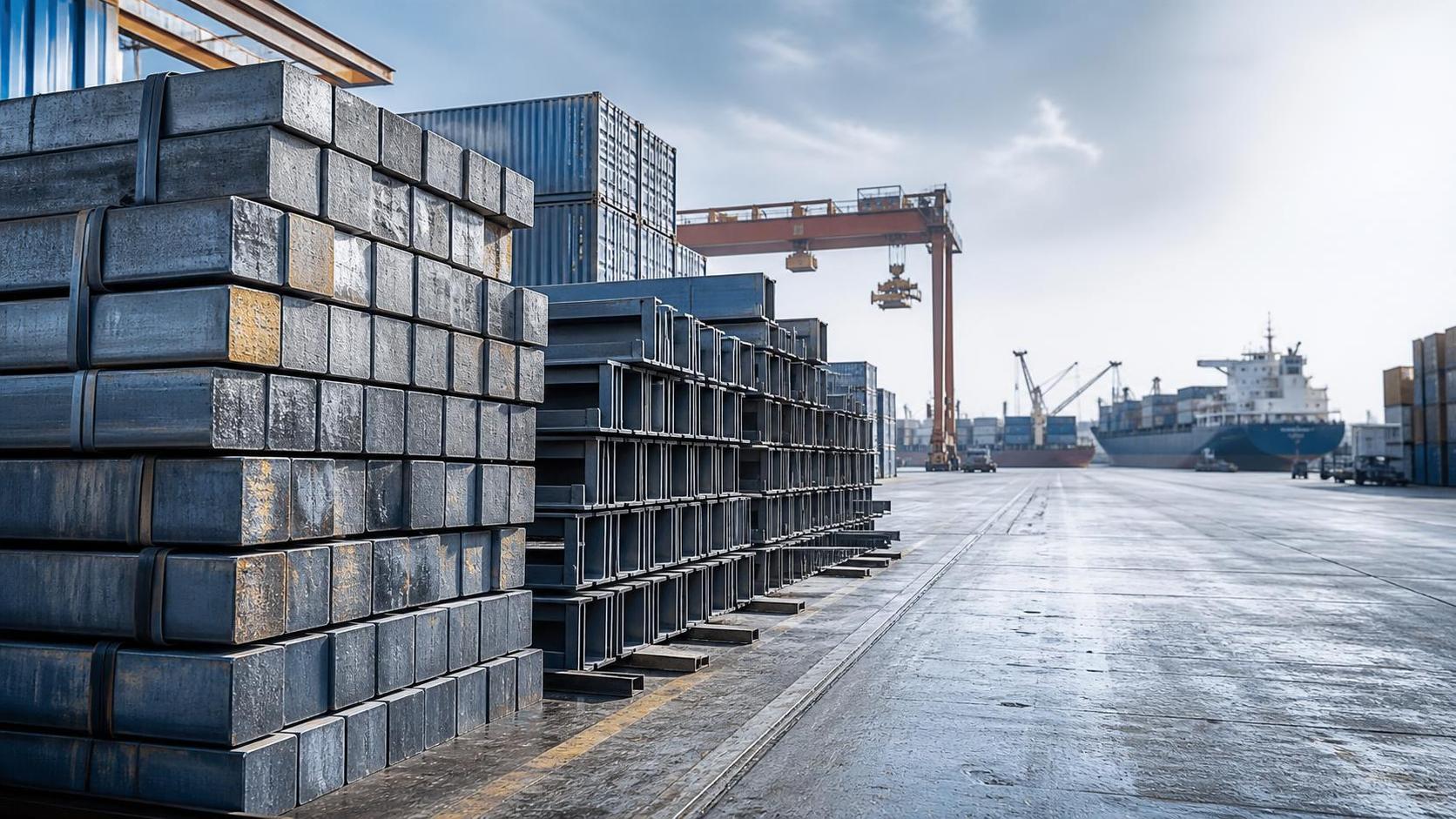
On 13 August 2026, Tangshan’s billet pricing moved lower, with the ex-tax factory price for Qian'an square billet cut by CNY 10 per tonne to CNY 2,930 per tonne and warehoused spot ex-tax delivery quoted at CNY 3,000 per tonne. The main CFR export quotation also edged down in tandem. From an industry perspective, this is best read as a pricing and trading signal that may affect export procurement, inventory planning, and downstream order timing for buyers in Southeast Asia, the Middle East, and Africa, where China remains an important billet supply source.

Pricing moved lower on both domestic and export sides
The only confirmed facts are the price adjustments on 13 August 2026: Qian'an square billet in Tangshan was lowered by CNY 10 per tonne to CNY 2,930 per tonne, warehoused spot ex-tax delivery was quoted at CNY 3,000 per tonne, and the mainstream CFR export quotation was adjusted slightly lower at the same time. The event also points to pressure on the domestic raw-material side and weaker demand for finished steel products downstream.
For import-dependent markets, the immediate effect is not a rule change in the formal regulatory sense, but a trading-price signal that can alter purchase timing and negotiation leverage. That makes this move relevant to exporters, overseas distributors, and buyers watching short-cycle procurement costs.
How different market participants may feel the shift
Export traders and quotation teams
Export traders are likely to feel the adjustment first through pricing discussions, CFR quote alignment, and offer validity management. When the domestic benchmark moves lower, export desks often need to reassess margin room, offer frequency, and the timing of revisions. The key business point is not only the lower number itself, but the need to keep quotations consistent with the latest market level and contract terms.
Overseas distributors and procurement teams
Distributors and procurement teams in Southeast Asia, the Middle East, and Africa may gain a wider negotiation window in the short term. The relevant operational issue is inventory cost control: buyers may use the softer pricing environment to smooth replenishment schedules, adjust order batches, and avoid overcommitting to earlier, higher-cost cargoes. That said, any decision still depends on shipment terms, documentation, and delivery timing.
Supply chain and trade-support service providers
Freight, documentation, inspection, and other trade-support services may face more active short-cycle coordination as buyers react to the lower quote. The practical focus is on order confirmation, contract wording, loading schedules, and the consistency of shipping documents with the agreed CFR terms. In a market that is moving on price rather than on a formal rule update, execution discipline matters more, not less.
What firms should watch in the next round of execution
Keep contract terms and quotation validity aligned
Because the adjustment is a pricing signal rather than a confirmed regulatory change, firms should pay close attention to quotation validity, price-review clauses, and delivery windows. The main risk is commercial mismatch between the latest market level and older offers that remain open too long.
Check documents against the agreed trade terms
For export and import flows, firms should keep invoices, packing information, shipping documents, and inspection records aligned with the latest contract wording. No specific filing or certification rule was provided in the input, so this article does not treat any execution detail as confirmed. The point to watch is whether later market practice or buyer requirements tighten around document consistency.
Watch inventory and ordering pace, not just price
The lower quote may improve purchase flexibility, but it does not remove demand-side uncertainty. Buyers and sellers should review reorder timing, cargo size, and stock turnover together rather than chasing the lowest print. That is especially relevant for distributors managing imported billet inventory across multiple destinations.
What this signal means for the market
Observably, this is more of a near-term market signal than a settled policy outcome. It reflects weaker upstream and downstream conditions in the domestic market and a softer export quotation environment, but it does not by itself establish a new rule framework, compliance threshold, or certification requirement. From an industry perspective, the main value of the update is that it gives procurement and trading teams a clearer reference point for short-term pricing and order pacing.
What deserves closer attention is whether the lower quotation is followed by further adjustments, whether buyers accept the revised level, and whether any later official or trade-side wording changes affect contract execution. Until that happens, the event is better understood as a pricing cue that needs continued observation rather than a completed rule shift.
A measured reading of the update
The most reasonable conclusion is that the Tangshan billet move currently signals a short-term easing in overseas procurement costs and a wider bargaining range for importers, especially in Southeast Asia, the Middle East, and Africa. It should be treated as an execution signal in the trade channel, not as a confirmed structural change. The operational task for firms is to track how the quotation movement is reflected in orders, delivery terms, and market feedback.
Source note and follow-up
This article was generated from the user-provided title, event date, and event summary. No specific official source link was provided in the input. For events of this type, the relevant source categories usually include official announcements, regulatory releases, customs or trade authority information, industry association notices, standards documents, and authoritative media coverage. The items that still need continued verification are later policy wording, execution practice, contract terms, buyer response, and any follow-up market adjustments.

Fill in the information
NOW.
Our staff will contact you as soon as possible